
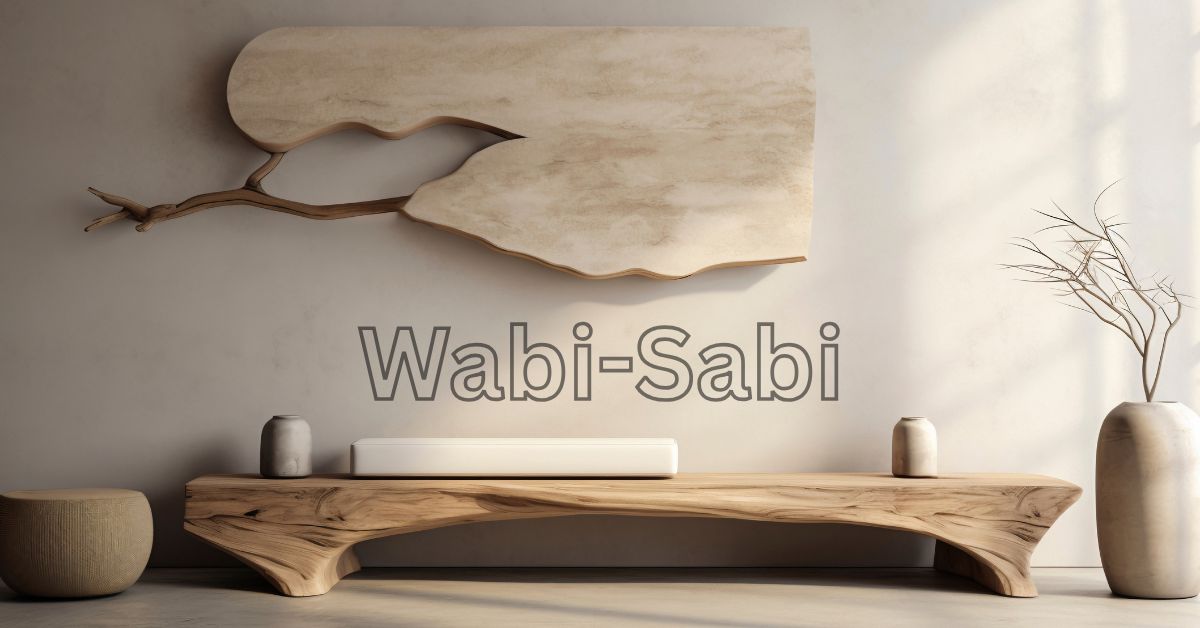
Wabi-Sabi: The Japanese Art of Embracing Imperfection
In today’s fast-paced, perfection-driven world, the Japanese philosophy of wabi-sabi offers a refreshing and grounding perspective. This ancient concept invites us to find beauty in simplicity, irregularity, and the passage of time. Far more than a design trend, wabi-sabi is a worldview that encourages authenticity, humility, and an appreciation of life as it naturally unfolds. By embracing imperfection and accepting the inevitability of change, wabi sabi helps cultivate a deeper sense of peace and contentment.
The Meaning of Wabi and Sabi
To understand wabi-sabi, it is helpful to explore its two root words. Historically, the term wabi referred to the loneliness and quietness of life in nature, away from the comforts of society. Over time, however, the meaning evolved into a more positive representation of simplicity, rustic beauty, and a modest way of living. Wabi now reflects the charm of the understated, the humble, and the unpretentious.
The term sabi originally described the beauty that appears as things age. This includes the patina of weathered surfaces, the fading of colors, and the sense of history embedded in well-used objects. Sabi conveys a serene acceptance of time’s natural effects, such as rust, cracks, and wear. When combined, wabi and sabi create a philosophy that celebrates both the quiet simplicity of life and the elegant transience that time brings.
Historical Background
Wabi-sabi is deeply rooted in Zen Buddhism, a tradition that emphasizes mindfulness, presence, and the acceptance of impermanence. The philosophy gained significant influence during the fifteenth and sixteenth centuries, largely due to the teachings of Sen no Rikyū, a revered tea master. Rikyū revolutionized the Japanese tea ceremony by rejecting elaborate, luxurious aesthetics in favor of humble, natural, and imperfect objects. He preferred small tea rooms, rough ceramic bowls, and understated decorations, believing that these elements created an atmosphere conducive to reflection and inner stillness.
Through his work, wabi-sabi became associated with the values of humility, simplicity, and authenticity. Rikyū’s approach transformed the tea ceremony into a practice of mindfulness and appreciation rather than display and extravagance. His ideas laid the foundation for wabi sabi to become an integral part of Japanese culture.
Core Principles of Wabi-Sabi
The philosophy of wabi-sabi is built upon several core principles that serve as its foundation. While they are often described separately, these concepts are deeply interwoven and collectively shape the essence of the wabi-sabi worldview.
One fundamental principle is impermanence. Wabi sabi acknowledges that everything in life—whether physical objects, emotions, relationships, or experiences—is subject to change. Nothing remains static, and nothing lasts forever. This understanding encourages a deeper appreciation of each moment, as it is recognized to be fleeting and unique.
Another central concept is imperfection. Rather than striving for flawless precision, wabi-sabi embraces irregularities and celebrates the natural variations found in materials and handmade objects. Imperfection is seen not as a drawback but as a mark of authenticity. A handmade tea bowl with uneven edges carries the story of its creation, offering a sense of warmth and individuality that mass-produced objects lack.
The third principle is incompleteness. It recognizes that nothing is ever fully finished. Life itself is a continuous process, and everything exists in a state of becoming. This principle encourages an openness to growth, change, and uncertainty. Instead of demanding perfection or finality, wabi-sabi invites acceptance of things as they are in each moment.
Wabi-Sabi in Art and Design
Wabi-sabi has had a significant influence on Japanese art and design, and its principles continue to inspire artists, designers, and architects around the world. In traditional Japanese ceramics, for instance, it is reflected in earthy tones, rough textures, and irregular shapes. The most prized tea bowls often have subtle imperfections, such as asymmetrical forms or uneven glazing, which highlight the artisan’s hand and the unpredictable nature of the firing process.
In architecture, wabi-sabi encourages the use of natural materials like wood, stone, and clay, which age gracefully and develop character over time. Buildings designed with wabi-sabi principles often prioritize harmony with nature and incorporate elements that soften the boundaries between indoor and outdoor spaces. Instead of seeking polished perfection, wabi-sabi architecture embraces the organic qualities of materials and the changes brought by weather and time.
Interior design inspired by wabi-sabi is rooted in simplicity, warmth, and authenticity. Rooms are typically uncluttered, featuring only objects that serve a purpose or hold personal significance. Natural textures, muted colors, and soft lighting are used to create a serene, calming environment. The goal is not to achieve a perfect space but to cultivate an atmosphere that feels grounded, meaningful, and lived-in.
Wabi-Sabi in Nature
Nature is perhaps the purest expression of wabi-sabi. Everything in the natural world reflects impermanence, irregularity, and constant transformation. The changing seasons, the growth and decay of plants, the weathering of rocks, and the shifting patterns of clouds all embody wabi-sabi principles. Observing nature encourages an appreciation for moments of beauty that exist only briefly, such as the blooming of cherry blossoms or the glow of sunset on an aging tree trunk.
Japanese gardens often intentionally incorporate wabi-sabi elements, using moss-covered stones, uneven pathways, and asymmetrical arrangements to evoke a sense of natural harmony. These gardens embrace the idea that beauty arises from organic processes rather than deliberate control.
Wabi-Sabi in Everyday Life
While wabi-sabi is often associated with design and aesthetics, its most profound impact lies in how it shapes daily living. The philosophy encourages mindfulness and presence, reminding individuals to slow down and appreciate the subtleties of everyday experiences. Simple rituals, such as brewing tea, cooking a meal, or taking a walk, become opportunities to engage with the moment fully.
In relationships and personal growth, wabi sabi fosters compassion and acceptance. Recognizing that people are imperfect and ever-changing encourages greater empathy and understanding. Instead of expecting perfection from ourselves or others, wabi-sabi promotes the idea that flaws and struggles are natural parts of being human. This perspective fosters emotional resilience and deeper connections with others.
Wabi-Sabi in Modern Culture
In contemporary society, where flawless appearances and constant achievement are often glorified, wabi-sabi offers a counterbalance. Many people are drawn to its emphasis on simplicity, authenticity, and slower living. It aligns closely with modern movements such as minimalism, sustainability, and mindfulness. As individuals seek relief from digital overwhelm and consumerism, it provides a gentle reminder to appreciate what is already present and to value experiences over possessions.
Applying Wabi-Sabi to Your Life
Incorporating wabi-sabi into daily life does not require a complete lifestyle change. Instead, it begins with a shift in perspective. Choosing natural materials, allowing objects to show signs of age, creating uncluttered spaces, and appreciating imperfections are all ways to embrace wabi-sabi in your environment. On a personal level, it means accepting yourself as a work in progress and finding beauty in your journey, no matter how imperfect it may be.
Conclusion
Wabi-sabi is a timeless philosophy that invites us to see the world with greater clarity, compassion, and appreciation. By embracing imperfection, accepting change, and valuing simplicity, it offers a meaningful antidote to the relentless quest for perfection. Whether expressed in art, design, nature, or daily practice, wabi-sabi encourages a gentler, more mindful way of living—one that celebrates the authentic beauty found in every moment.