Nahttypen: Types of Seams Explained
The term “Nahttypen” originates from German and translates to “types of seams.” In textile production, tailoring, and garment construction, seams are fundamental structural elements that determine both the durability and appearance of a finished product. Whether in fashion design, industrial manufacturing, or home sewing, understanding different seam types is essential for creating functional, long-lasting, and aesthetically pleasing garments.
This article explores the most important types of seams, their construction methods, and their practical applications. Each section provides clear explanations to support professionals, students, and enthusiasts in understanding how and why different seam types are used.
Plain Seam (Simple Seam)
The plain seam is the most basic and widely used seam in garment construction. It is created by placing two pieces of fabric with their right sides together and stitching along the seam line. Once sewn, the fabric pieces are opened and pressed flat.
This seam is commonly used in everyday clothing such as shirts, trousers, dresses, and skirts. Its simplicity allows for quick construction and easy alteration. However, the raw edges of the fabric must usually be finished separately to prevent fraying, often using zigzag stitching or overlocking.
Despite its simplicity, the plain seam provides a strong foundation for most garments. It works well with a wide range of fabrics and is often the starting point for more complex seam variations.
French Seam
The French seam is known for its clean and elegant finish. Unlike a plain seam, this technique encloses the raw edges completely within the seam itself. It is constructed in two steps: first sewing the fabric with wrong sides together, trimming the seam allowance, and then sewing again with right sides together.
This seam type is especially suitable for lightweight or sheer fabrics such as silk, chiffon, or organza, where visible seam allowances would detract from the garment’s appearance. The finished seam looks neat from both the inside and outside, making it ideal for high-quality garments.
French seams are commonly found in lingerie, blouses, and fine dresses. Although they require more time and precision to construct, they offer superior durability and visual appeal.
Flat-Felled Seam
The flat-felled seam is one of the strongest and most durable seam types available. It is created by folding one seam allowance over the other and stitching it flat against the fabric. This results in a smooth, double-stitched seam with no exposed raw edges.
This seam is widely used in workwear, denim jeans, shirts, and outdoor clothing due to its strength and resistance to stress. The flat structure makes it comfortable against the skin and capable of withstanding frequent washing and heavy use.
Although more time-consuming to produce, the flat-felled seam is highly valued in garments that require longevity and durability. Its visible stitching can also serve as a decorative design element.
Overlocked Seam
An overlocked seam is created using a specialized overlock or serger machine. This machine trims the fabric edge while simultaneously enclosing it with thread, preventing fraying and creating a clean finish.
Overlocked seams are commonly used in mass-produced garments and knit fabrics. They allow for stretch and flexibility, making them ideal for activewear, T-shirts, and sports apparel. The seam is efficient to produce and suitable for high-speed manufacturing environments.
While overlocked seams are not always decorative, they play a crucial role in maintaining fabric integrity. They are often combined with other seam types for reinforcement or aesthetic enhancement.
Bound Seam
A bound seam encloses raw fabric edges using a separate strip of fabric or binding tape. This binding can be made from the same fabric or a contrasting material, adding both strength and visual interest to the garment.
Bound seams are frequently used in unlined jackets, coats, and high-end garments where the interior finish is visible. They provide a clean and professional look while protecting the seam allowance from wear.
This seam type requires precision and careful handling, as uneven binding can affect the garment’s overall appearance. When executed correctly, bound seams reflect high craftsmanship and attention to detail.
Lapped Seam
The lapped seam involves overlapping one piece of fabric over another and stitching through both layers. Unlike seams that join fabric edges directly, this method creates a layered structure that enhances strength.
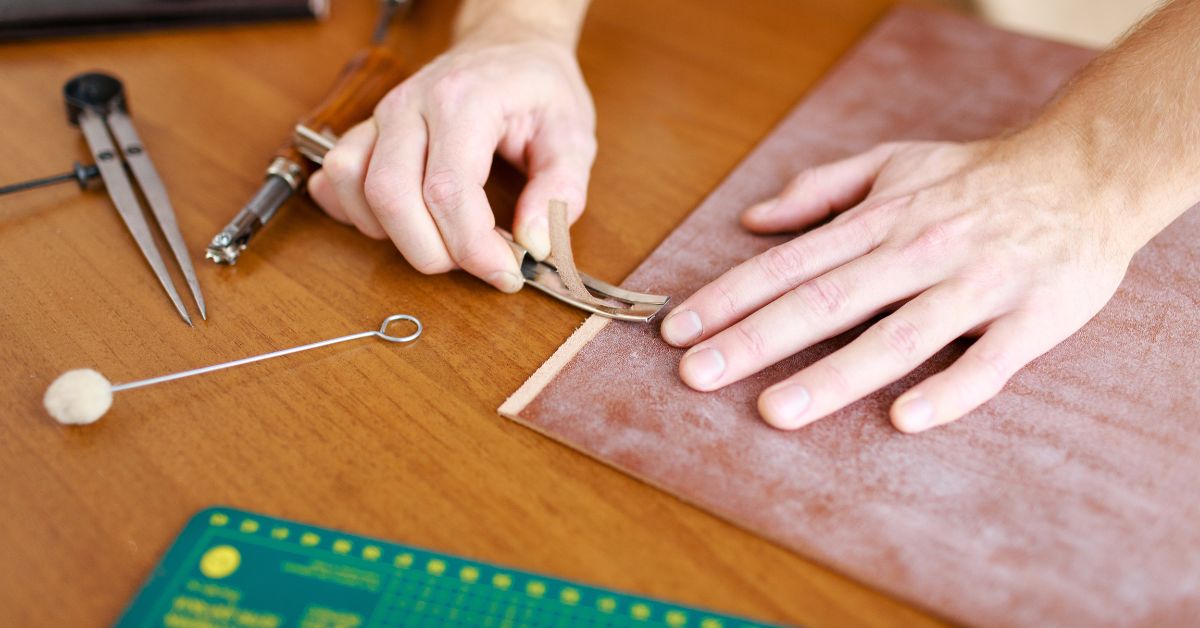
Lapped seams are commonly used in leather garments, upholstery, and technical textiles. Because leather cannot be pressed open like woven fabric, overlapping seams provide both strength and flexibility.
This seam type is also found in waterproof or protective clothing, as it can be sealed or taped to improve resistance to moisture and environmental exposure.
Decorative and Functional Seam Variations
Beyond structural seams, there are decorative seam types that enhance the visual appeal of a garment. These include topstitched seams, piped seams, and decorative stitched panels. While they may not carry structural loads, they contribute to the garment’s design and craftsmanship.
Functional seam variations, such as reinforced seams or taped seams, serve performance purposes. They improve durability, weather resistance, or comfort depending on the garment’s intended use. In technical apparel, these seams are often engineered for specific performance requirements.
Choosing the Right Seam Type
Selecting the appropriate seam type depends on several factors, including fabric type, garment purpose, durability requirements, and aesthetic goals. Lightweight fabrics require delicate seams, while heavy or structured materials benefit from stronger construction methods.
Understanding the advantages and limitations of each seam type allows designers and manufacturers to make informed decisions. The right seam enhances comfort, extends garment life, and ensures professional-quality results.
Conclusion
Nahttypen, or types of seams, play a vital role in textile construction and garment design. From simple plain seams to complex flat-felled or bound seams, each type serves a specific purpose and contributes to the overall performance of a garment. Mastery of seam types allows designers and manufacturers to combine functionality, durability, and aesthetics effectively.
A strong understanding of seam construction not only improves garment quality but also reflects craftsmanship and attention to detail. Whether in fashion design, industrial production, or home sewing, knowledge of seam types remains an essential foundation in textile work.
FAQs
1. What does “Nahttypen” mean?
“Nahttypen” is a German term that translates to “types of seams” and refers to the different methods used to join pieces of fabric together.
2. Why are different seam types important?
Different seam types provide varying levels of strength, flexibility, and appearance, depending on the fabric and purpose of the garment.
3. What is the most commonly used seam type?
The plain seam is the most common, as it is simple, versatile, and suitable for most types of clothing.
4. Which seam is best for durable clothing?
Flat-felled seams are ideal for durable garments like jeans and workwear because they are strong and long-lasting.
5. Are seam types only used in clothing?
No, seam types are also used in upholstery, automotive textiles, outdoor gear, and technical fabrics.