
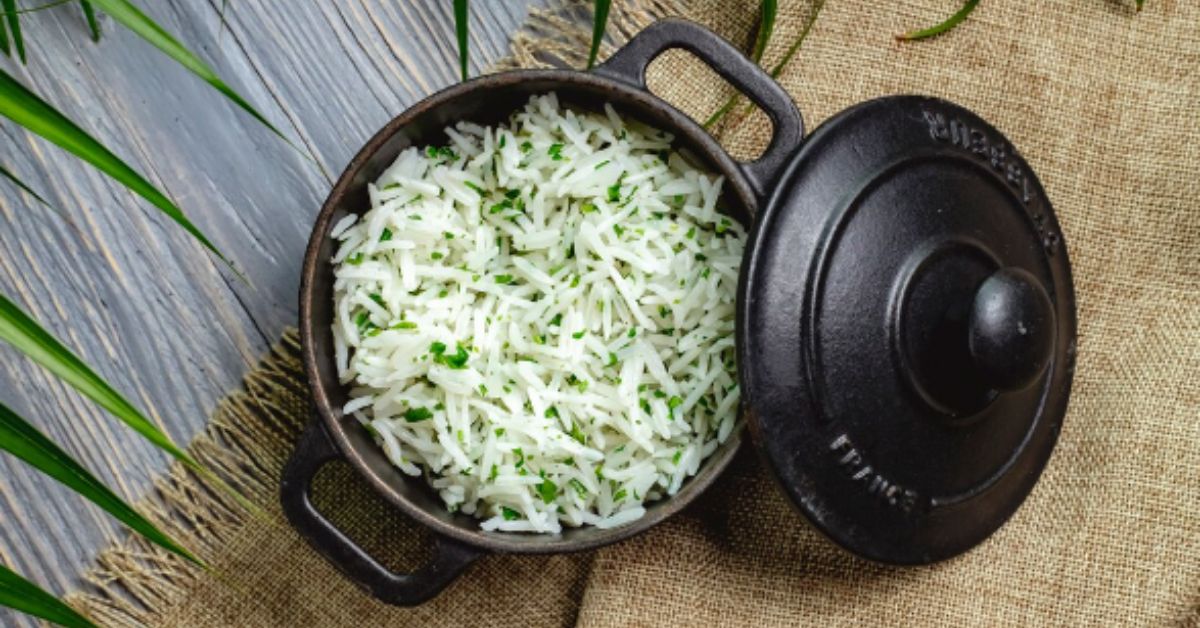
Dampfreis: The Complete Guide to Steam-Processed Rice
Steamed rice has long been a dietary cornerstone across continents, but modern food systems have refined the way it is processed to meet today’s standards of safety, consistency, and sustainability. In German-speaking markets, the term Dampfreis is commonly used to describe rice that has been treated or cooked using steam under controlled conditions. This steam-based approach bridges traditional culinary wisdom with advanced industrial methods.
Understanding how Dampfreis is produced and how it differs from other rice treatments is valuable for food manufacturers, chefs, nutrition professionals, and informed consumers. Steam processing affects texture, shelf life, nutrient retention, and even environmental efficiency. This comprehensive guide explains the production methods, nutritional aspects, quality factors, safety considerations, and culinary applications of steam-treated rice in today’s food landscape.
What Is Dampfreis?
Dampfreis refers to rice that has undergone steam treatment during processing. Unlike conventional milled white rice, which is simply husked and polished, steam-treated rice is exposed to carefully controlled heat and moisture before or during further refinement. This process may involve partial pre-cooking, stabilization, or structural modification of the grain.
Steam plays a crucial role in altering the physical and chemical properties of rice. Under heat and moisture, starch granules begin to gelatinize, and nutrients within the bran layer can migrate into the endosperm. As a result, the grain often becomes firmer, less sticky, and more resilient during cooking.
In industrial contexts, Dampfreis may overlap with parboiled rice, though the processes are not always identical. While parboiling typically involves soaking, steaming, and drying paddy rice before milling, other steam treatments may occur at different stages of production. The defining characteristic remains the controlled use of steam to enhance the rice’s performance and quality.
How Dampfreis Is Produced
The production of Dampfreis generally begins with raw paddy rice. The grains are cleaned to remove impurities such as stones, dust, and plant residues. Depending on the desired end product, the rice may then be soaked to increase moisture content and prepare it for steam exposure.
During the steaming phase, the rice is subjected to pressurized or atmospheric steam. This step partially cooks the grain and induces structural transformations in the starch. The internal temperature and moisture levels are carefully monitored to ensure uniform treatment without damaging the grain. After steaming, the rice is dried to safe storage moisture levels before milling or packaging.
Key production stages often include:
- Cleaning and sorting
- Soaking or conditioning
- Controlled steam treatment
- Drying and stabilization
- Milling and polishing (if required)
- Quality inspection and packaging
The precision of each stage determines the final characteristics of Dampfreis, including texture, color, and cooking behavior. Advanced facilities use automated systems to maintain consistent results across large production volumes.
Nutritional Profile and Health Considerations
Steam treatment can positively influence the nutritional composition of rice. When rice is steamed before milling, water-soluble vitamins and minerals from the outer bran layer may migrate into the inner part of the grain. This means that even after polishing, the rice can retain higher levels of certain micronutrients compared to conventional white rice.
Additionally, the structural changes in starch can alter digestibility. Steam-treated rice may have a slightly lower glycemic impact compared to regular white rice, depending on the processing parameters. The firmer starch matrix can slow down digestion and glucose absorption, which may be beneficial for individuals managing blood sugar levels.
From a food safety perspective, Dampfreis also benefits from the heat treatment involved in steaming. The process can reduce microbial load and deactivate certain enzymes, contributing to improved shelf stability. However, safe storage conditions remain essential to prevent contamination after processing.
Differences Between Dampfreis and Other Rice Types
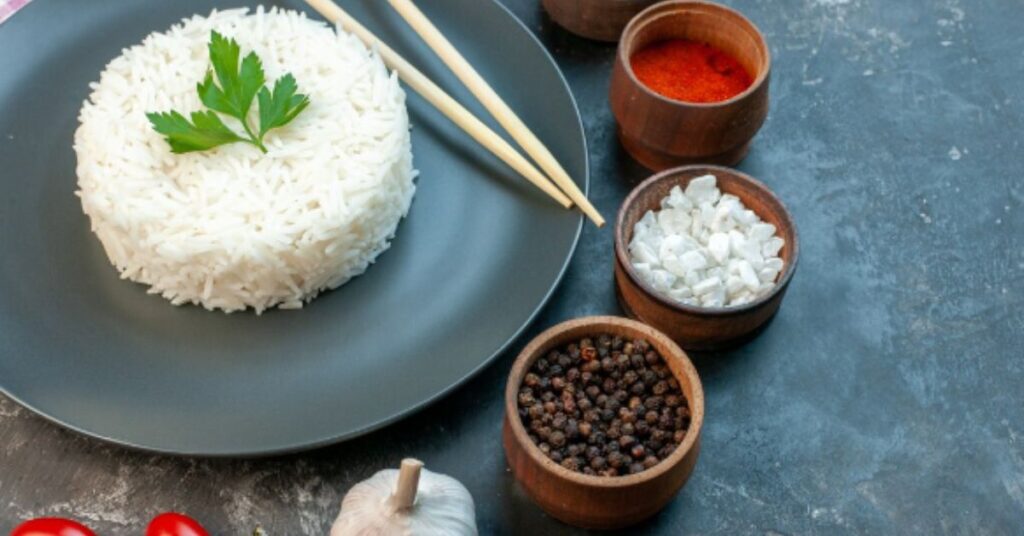
One of the most common points of confusion is the difference between Dampfreis and traditional white or brown rice. White rice is typically milled without prior steam treatment, resulting in a softer grain that cooks quickly but may lose nutrients during polishing. Brown rice, on the other hand, retains the bran layer and offers higher fiber content but requires longer cooking times.
Steam-treated rice occupies a unique position between these categories. It combines the convenience of white rice with improved structural integrity and enhanced nutrient retention. Compared to parboiled rice, Dampfreis may vary in intensity of treatment, color, and firmness depending on the method used.
Major distinctions include:
- Greater kernel strength and reduced breakage
- Improved nutrient retention compared to standard white rice
- Firmer, separate grains after cooking
- Longer shelf life due to thermal stabilization
These characteristics make it particularly attractive for both household kitchens and industrial food production.
Industrial Applications and Performance Advantages
In large-scale food manufacturing, consistency is critical. Dampfreis is valued for its reliable cooking behavior and mechanical stability. Because the grains are less prone to breaking, they perform well in automated processing lines, ready-meal production, and catering environments.
Steam-treated rice is widely used in:
- Ready-to-eat packaged meals
- Canned and frozen food products
- Institutional catering
- Airline and hospital meal services
- Export-oriented food supply chains
Its stability during reheating is a significant advantage. The grain structure resists clumping and maintains shape, even under repeated heating cycles. This makes it ideal for high-demand environments where visual appeal and texture must remain consistent.
Furthermore, the improved resistance to overcooking provides a margin of safety in large kitchens, reducing food waste and ensuring predictable results.
Culinary Benefits and Cooking Characteristics
For chefs and home cooks alike, Dampfreis offers practical advantages. The grains tend to cook into separate, fluffy kernels rather than forming a sticky mass. This makes it particularly suitable for pilafs, salads, stir-fries, and plated dishes where defined grain structure is important.
Cooking times may differ slightly from conventional white rice, depending on the level of pre-treatment. Because the starch has already undergone partial gelatinization, the rice may cook more evenly and tolerate minor timing variations without becoming mushy.
From a sensory perspective, steam treatment can also influence aroma and mouthfeel. The grains often have a subtle nutty note and a firm bite that enhances culinary versatility. These attributes allow Dampfreis to perform well in both traditional recipes and modern gastronomy.
Quality and Safety Factors
The quality of Dampfreis depends heavily on raw material selection and processing control. High-quality paddy rice with uniform grain size ensures even steam penetration and consistent results. Variations in moisture content or temperature during processing can lead to uneven texture or discoloration.
Important quality parameters include:
- Moisture content after drying
- Degree of starch gelatinization
- Kernel integrity and breakage rate
- Absence of contaminants or foreign matter
Food safety management systems play a central role in modern production. Steam treatment contributes to microbial reduction, but hygienic handling, packaging integrity, and proper storage conditions are equally critical. Maintaining low residual moisture helps prevent mold growth and ensures extended shelf life.
Regulatory standards in many regions require traceability and documented quality control procedures. These safeguards protect both manufacturers and consumers while maintaining product reliability.
Sustainability and Resource Efficiency
Steam-based processing can also align with sustainability goals when implemented efficiently. Modern facilities often use energy recovery systems that capture and reuse heat generated during steaming. Water used in soaking and conditioning may be treated and recycled to reduce environmental impact.
Because Dampfreis has a longer shelf life and lower breakage rate, it can reduce food waste throughout the supply chain. Stronger grains mean fewer losses during transport and packaging, improving overall resource efficiency.
In addition, its stable cooking performance can help minimize overcooking and plate waste in institutional settings. When combined with responsible sourcing practices, steam-treated rice can contribute to a more resilient and sustainable food system.
Practical Considerations for Buyers and Consumers
When purchasing Dampfreis, buyers should evaluate origin, processing transparency, and packaging integrity. Clear labeling and reputable manufacturers are indicators of reliable quality. Storage in a cool, dry environment helps maintain freshness and prevents moisture absorption.
For home preparation, following the recommended water ratio and cooking time ensures optimal texture. Because steam-treated rice is structurally robust, slight adjustments can be made without compromising the final result.
Professionals selecting rice for food service operations often prioritize consistency, yield, and reheating performance. In these contexts, Dampfreis offers measurable advantages in efficiency and product presentation.
Conclusion
Dampfreis represents a powerful combination of tradition and technology. By applying controlled steam treatment, producers enhance grain strength, nutritional retention, cooking performance, and shelf stability. These qualities make it a reliable choice for industrial food systems and home kitchens alike.
As consumers increasingly value quality, safety, and sustainability, steam-processed rice stands out as a practical and forward-looking solution. Understanding how it is produced and how it performs allows buyers, chefs, and food professionals to make informed decisions in an evolving global food environment.
Frequently Asked Questions
1. Is Dampfreis the same as parboiled rice?
Not always. While both involve steam treatment, the intensity and timing of the process can differ. Parboiling typically follows a standardized soaking-steaming-drying sequence before milling.
2. Does steam treatment reduce nutrients?
In many cases, it actually helps retain certain vitamins and minerals by driving them into the grain before polishing.
3. Is Dampfreis healthier than white rice?
It may offer improved nutrient retention and a firmer starch structure, which can influence digestion. However, overall health impact depends on portion size and dietary balance.
4. How should it be stored?
Store in a cool, dry place in airtight packaging to prevent moisture absorption and contamination.
5. Does it taste different from regular rice?
It often has a slightly firmer texture and subtle nutty flavor, but taste differences are generally mild.