Mike Wolfe Passion Project: Preserving America’s Past, One Story at a Time
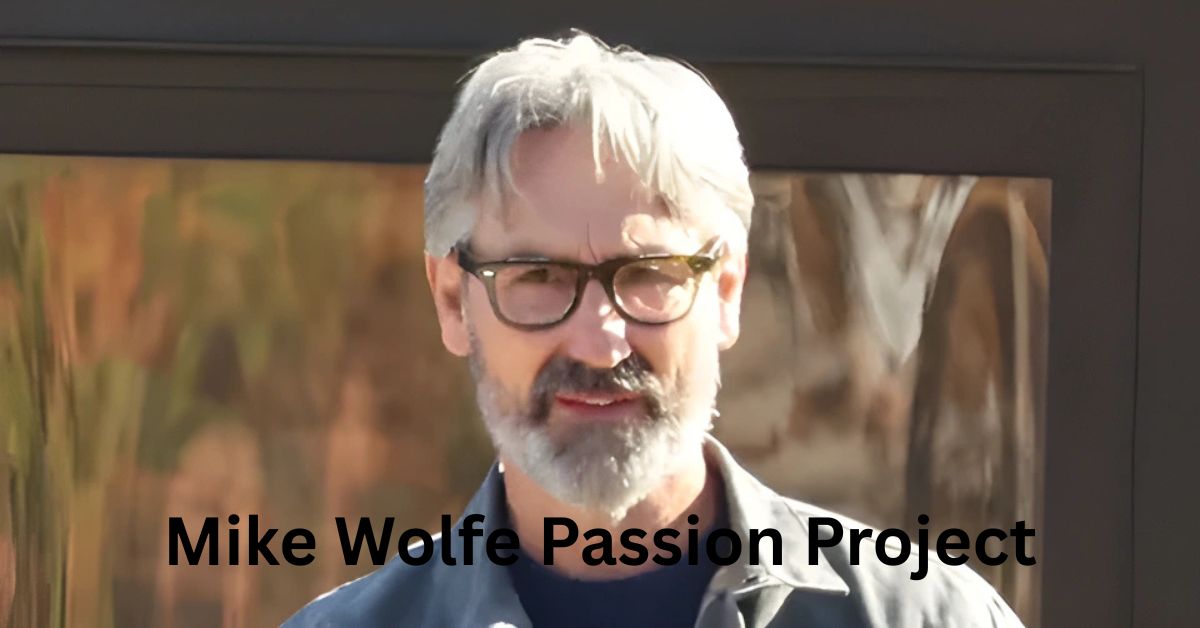
Mike Wolfe, best known as the co-creator and star of American Pickers, has spent more than a decade on television uncovering treasures from barns, backyards, and forgotten corners of the country. While the show made him a household name, Wolfe’s true passion extends well beyond buying antiques. At his core, he is a preservationist — someone deeply invested in rescuing America’s cultural memory before it disappears. Over the last several years, this passion has crystallized into what many refer to as the Mike Wolfe Passion Project: a sweeping, multi-layered mission to preserve historic buildings, document American stories, and revive small-town communities.
Although the term “passion project” is broad and sometimes used loosely online, it accurately captures Wolfe’s long-standing commitment to honoring and restoring America’s heritage. His work touches architecture, craftsmanship, storytelling, tourism, and economic revitalization — all woven together through a belief that history should be lived with, not paved over. To understand the significance of this project, it’s worth exploring Wolfe’s background, the philosophy driving his work, and the tangible things he is doing to protect America’s past.
A Life Shaped by the Hunt
Long before television fame, Wolfe was a dedicated picker — someone who digs through garages, attics, junkyards, and abandoned spaces in search of undervalued artifacts. He began picking at age six, captivated by the idea that forgotten objects held stories. Unlike typical collectors, Wolfe wasn’t just interested in the item itself; he was fascinated by the journey it had taken and the history it represented.
This instinct shaped his worldview. Picking became a gateway to something larger: connecting with people, hearing their histories, and honoring the craftsmanship of earlier generations. Through American Pickers, millions of viewers witnessed Wolfe’s respect for old things and the people who kept them. But the show only hinted at the deeper mission he had been quietly pursuing for years.
The Evolution of a Passion Project
As Wolfe’s career grew, so did his understanding of how much American history was disappearing — not just objects, but buildings, communities, and traditions. Across the Midwest and South, he saw small towns struggling to survive as local businesses closed and historic architecture fell into neglect.
Rather than watching these pieces of heritage fade away, Wolfe began buying and restoring historic main-street buildings in small towns, particularly in Iowa and Tennessee. His goal was not just to save the structures themselves, but to breathe life back into communities.
1. Historic Building Restoration
Wolfe’s most visible passion project involves restoring historic properties. He seeks out structures that have “good bones” and meaningful community value — old gas stations, storefronts, warehouses, and Victorian buildings that once served as hubs of small-town life.
Wolfe’s approach to restoration is unique. He blends:
- Architectural preservation (keeping original brick, beams, windows, signage)
- Modern adaptive reuse (updating plumbing, wiring, HVAC, and accessibility)
- Aesthetic authenticity (retaining patina rather than masking it)
He believes that buildings should tell a story — that preserving a structure means preserving its era, its people, and its identity.
2. Reviving Small-Town America
Wolfe often says that when a building is saved, a town is saved “one step at a time.” His restorations create new business spaces, attract tourists, support local artisans, and inspire other building owners to invest in their towns. This ripple effect can help revive local economies.
In places like Antique Archaeology’s home base of LeClaire, Iowa, and his adopted home of Columbia, Tennessee, Wolfe’s investments have helped spark new commercial development and renewed interest in historical preservation.
3. Supporting Craftsmanship and Makers
Part of retaining authenticity means working with artisans who use traditional methods — blacksmiths, woodworkers, metalworkers, sign painters, neon restorers, and more. Wolfe highlights these craftspeople through his Two Lanes brand and in his renovation projects. By hiring and promoting them, he keeps these dying trades alive.
4. Storytelling as Preservation
Wolfe’s Instagram posts, interviews, and Two Lanes blog articles often focus on the people behind the places. He documents the history of each building or artifact he restores — who built it, who used it, what memories are tied to it. To him, “a building without a story is just wood and brick.”
Why Wolfe’s Passion Matters
At first glance, restoring a century-old gas station might seem like a small gesture, but Wolfe believes these projects are part of something much larger.
1. Cultural Memory Is Fragile
Small-town America has been disappearing for decades. When a historic building is demolished, it takes with it:
- Local history
- Community identity
- Architecture that can’t be replaced
- Stories that may never be told again
Wolfe sees preservation as a way to fight cultural amnesia.
2. Sustainable Development Through Preservation
Instead of constructing new buildings, Wolfe promotes reusing existing ones — an environmentally sustainable approach that reduces waste while saving craftsmanship that modern construction doesn’t replicate.
3. Tourism and Economic Revitalization
Restored buildings can become galleries, coffee shops, retail spaces, or gathering places. When done well, they draw tourists, inspire neighboring renovations, and help bring economic vitality back to small towns.
4. Inspiring Others
Wolfe uses his platform to motivate ordinary people to care about their communities. Many of his followers restore their own buildings, join local preservation groups, or start documenting their town’s heritage because of his influence.
Challenges and Criticisms
Despite the positivity surrounding Wolfe’s work, there are challenges:
- Historic restoration is expensive — often more costly than building new structures.
- Small towns may lack investment, making long-term sustainability uncertain.
- Internet sources sometimes exaggerate the scope of his projects, leading to misconceptions.
- Preservation can be slow, requiring patience and community cooperation.
Yet Wolfe continues, driven not by financial return but by a sense of responsibility to America’s past.
The Larger Vision
While different articles and blogs describe Wolfe’s passion project in various ways, a common theme emerges: this is not a one-time initiative, but a lifelong commitment. His vision is a future where American towns embrace their history, where old buildings are seen as assets not liabilities, and where craftsmanship and storytelling remain alive.
Mike Wolfe’s passion project is ultimately about connection — connecting people to their past, to their communities, and to the idea that history is worth saving. Through buildings, objects, stories, and skilled artisans, Wolfe is creating a living archive of American identity. His work reminds us that the things we preserve today will be the stories future generations cherish.