
Key Trends Shaping the Masters in Supply Chain Management Programs
In today’s fast-paced global economy, supply chains have become more complex and dynamic than ever before. Organizations are increasingly relying on well-trained professionals to manage logistics, operations, and procurement efficiently. As a result, masters in supply chain management (MSCM) programs are evolving rapidly to meet these changing demands. Prospective students and industry professionals need to understand the key trends shaping these programs to make informed choices about their education and career development.
Emphasis on Digital Transformation
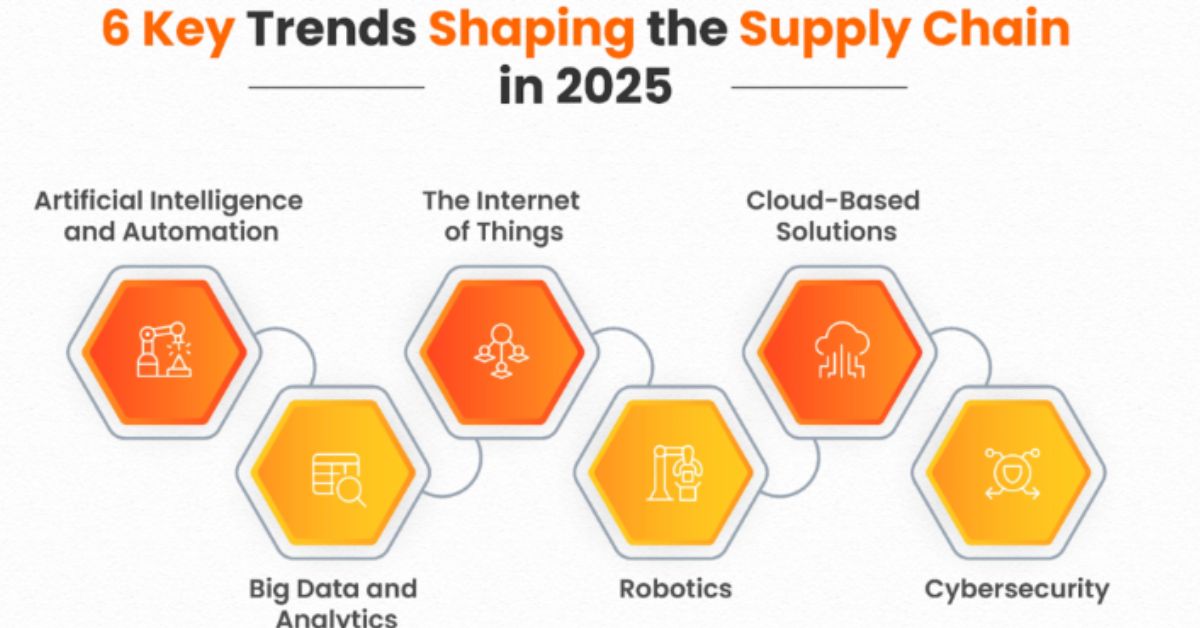
One of the most significant trends influencing MSCM programs is the integration of digital technologies into supply chain management. Modern supply chains are no longer limited to manual processes; they are driven by sophisticated tools such as data analytics, artificial intelligence (AI), blockchain, and Internet of Things (IoT) technologies.
MSCM programs are now incorporating courses that teach students how to leverage these digital tools for enhanced decision-making and efficiency. For instance, students learn how predictive analytics can forecast demand fluctuations or how blockchain ensures transparency in procurement processes. This focus on digital skills ensures graduates are well-prepared to manage technologically advanced supply chains in global organizations.
Sustainability and Green Supply Chains
Sustainability has become a central concern in the supply chain sector. Companies are under increasing pressure to reduce their carbon footprints, minimize waste, and adopt ethical sourcing practices. Reflecting this, Masters in Supply Chain Management programs are integrating sustainability-focused modules.
Students now gain insights into designing eco-friendly supply chains, implementing circular economy principles, and adopting renewable energy solutions. This trend not only aligns with global environmental goals but also enhances graduates’ employability, as businesses increasingly seek professionals who can balance profitability with responsibility.
Global Supply Chain Perspective
The COVID-19 pandemic highlighted the vulnerabilities of global supply networks, prompting businesses to rethink how they operate across borders. In response, MSCM programs are placing greater emphasis on global supply chain management, international logistics, and cross-border regulations.
Students are exposed to real-world scenarios such as geopolitical risks, trade restrictions, and global shipping challenges. Programs often offer case studies and simulations that mimic international supply chain disruptions, helping students develop the skills to navigate uncertainty and make strategic decisions that benefit multinational operations.
Data-Driven Decision Making
Modern supply chains generate vast amounts of data, from inventory levels to supplier performance metrics. To stay competitive, companies require professionals capable of analyzing data and deriving actionable insights.
Masters programs have responded by offering courses in supply chain analytics, big data, and decision modeling. Students learn to interpret data trends, optimize processes, and reduce operational costs through evidence-based strategies. Graduates with strong analytical skills are highly valued, as they can drive improvements in efficiency, forecasting, and resource management.
Focus on Risk Management and Resilience
Recent global disruptions, including natural disasters, pandemics, and geopolitical tensions, have underscored the importance of supply chain resilience. MSCM programs are increasingly emphasizing risk assessment and management strategies.
Students explore methods to identify potential vulnerabilities, develop contingency plans, and implement robust mitigation techniques. By learning how to anticipate and respond to disruptions, graduates can help organizations maintain operational continuity and adapt to unexpected challenges.
Practical and Experiential Learning
Employers today prioritize candidates who have both theoretical knowledge and practical experience. Recognizing this, MSCM programs are offering more experiential learning opportunities. These include internships, industry projects, simulations, and collaborations with leading logistics companies.
Hands-on experience allows students to apply classroom concepts to real-world problems. For example, students may work on projects optimizing warehouse operations or improving supply chain efficiency for a local business. This practical approach enhances problem-solving skills, critical thinking, and professional readiness.
Customization and Specialization
Another growing trend is the customization of MSCM programs to match individual career goals. Programs now offer specialized tracks such as procurement management, logistics, supply chain analytics, or sustainable supply chains.
By allowing students to focus on a particular area of interest, programs cater to diverse career paths and industry demands. Graduates can tailor their skill sets to niche roles, increasing their marketability and potential for higher salaries.
Collaboration with Industry Partners
To bridge the gap between academia and industry, many MSCM programs are forming partnerships with global supply chain leaders. These collaborations often involve guest lectures, mentorship programs, and collaborative research projects.
Such interactions expose students to current industry practices, emerging trends, and leadership insights. Networking opportunities provided by these partnerships can significantly enhance career prospects after graduation.
Soft Skills and Leadership Development
While technical skills are crucial, supply chain management also demands strong leadership and communication abilities. Recognizing this, modern MSCM programs are incorporating modules on team management, negotiation, and strategic leadership.
These courses help students develop the interpersonal skills needed to lead cross-functional teams, manage stakeholders, and drive organizational change effectively. By combining technical knowledge with leadership capabilities, graduates are well-prepared to take on managerial and executive roles.
Conclusion
Masters in Supply Chain Management programs are evolving to meet the demands of a rapidly changing global economy. From digital transformation and sustainability to risk management and experiential learning, these programs are designed to equip students with the skills and knowledge needed to excel in the modern supply chain industry.
For prospective students, understanding these trends is essential when choosing the right program. Whether your goal is to lead global logistics operations, implement green supply chains, or drive data-driven strategies, a contemporary MSCM program provides the foundation to thrive. Investing in a program that aligns with these trends ensures that graduates remain competitive, adaptable, and capable of shaping the future of supply chain management.
Also Read: QLCredit: Understanding Modern Digital Credit Systems