
Clumps of Blood During Menstruation: What Your Period Clots Mean
Clumps of Blood During Menstruation is a natural biological process that reflects the monthly hormonal cycle in people with a uterus. While most individuals expect to see blood during their period, many are surprised or concerned when they notice thicker material or gel-like masses. This experience can feel alarming, especially when it happens unexpectedly or frequently. Understanding what causes these changes can help reduce anxiety and promote better health awareness.
The presence of clumps of blood during menstruation is often related to the body’s natural response to heavy bleeding and the shedding of the uterine lining. In many cases, it does not signal a serious problem. However, certain patterns, sizes, or accompanying symptoms may indicate that medical attention is necessary. Learning the difference between normal variation and potential warning signs empowers individuals to take proactive steps toward reproductive health.
This article explores how menstrual flow works, why clotting happens, what factors influence it, and when professional care should be considered. It also offers practical guidance on managing symptoms and maintaining overall wellness.
Understanding How Menstrual Flow Works
The menstrual cycle is regulated by hormones, primarily estrogen and progesterone. Each month, the lining of the uterus thickens in preparation for a possible pregnancy. If fertilization does not occur, this lining breaks down and exits the body through the vagina as menstrual fluid. This fluid contains blood, mucus, and small fragments of uterine tissue.
During a steady flow, the body releases natural anticoagulants that help keep blood from thickening as it leaves the uterus. When bleeding becomes heavier or faster than usual, these anticoagulants may not have enough time to work effectively. As a result, the blood can partially coagulate before exiting the body, forming thicker material or visible clots.
It is common for this process to vary from person to person and even from cycle to cycle. Factors such as stress, hydration, physical activity, and hormonal fluctuations can influence how the menstrual flow appears.
Why Clotting Happens During a Period
One of the most common reasons for clotting is a heavy menstrual flow. When the uterus sheds a large amount of tissue quickly, the blood may pool briefly inside the uterus or vagina before being expelled. This allows the blood to thicken and form small masses. Seeing clumps of blood during menstruation in this context is usually not a cause for concern.
Hormonal shifts also play an important role. If estrogen levels are higher than progesterone, the uterine lining may grow thicker than usual. When it sheds, the volume of tissue can increase, raising the likelihood of clot formation. Temporary hormonal changes can occur due to puberty, postpartum recovery, stress, or approaching menopause.
Another contributing factor may be reduced uterine contractions. The uterus normally contracts to push menstrual material out efficiently. If these contractions are slower or weaker, blood may remain inside longer and begin to coagulate before exiting.
What Is Considered Normal and Healthy
For many people, small clots are a normal part of menstruation, especially during the first few days of a heavier flow. Clots that are smaller than a coin and appear occasionally without severe pain or excessive bleeding are typically harmless. These occurrences often resolve on their own without treatment.
Menstrual flow naturally varies throughout life. Teenagers, postpartum individuals, and those nearing menopause may experience more noticeable changes in flow and consistency due to fluctuating hormones. Occasional variations in color, thickness, or volume are also expected and generally not problematic.
Monitoring patterns over time is more useful than focusing on a single cycle. If the appearance of clumps of blood during menstruation remains consistent without causing discomfort or disrupting daily life, it usually does not require medical intervention.
When Clots May Signal an Underlying Issue
While many cases are benign, large or frequent clots can sometimes indicate health conditions that need evaluation. Clots larger than a golf ball, persistent heavy bleeding, or cycles that interfere with normal activities should not be ignored. In these cases, clumps of blood during menstruation may be a sign that the uterus is shedding excessive tissue.
Uterine fibroids are one possible cause. These noncancerous growths can increase the surface area of the uterine lining, leading to heavier bleeding and clot formation. Endometriosis and adenomyosis can also disrupt normal uterine function and contribute to painful, heavy periods.
Hormonal imbalances, thyroid disorders, and certain medications may affect menstrual regularity and blood flow. In rare cases, clotting abnormalities or pregnancy-related complications may also present with unusual bleeding patterns.
Common Symptoms That Should Not Be Ignored
Certain symptoms accompanying clotting warrant medical attention. These include soaking through a pad or tampon every one to two hours for several hours, periods lasting longer than seven days, or severe cramping that does not respond to over-the-counter pain relief.
Fatigue, dizziness, pale skin, or shortness of breath may indicate anemia caused by excessive blood loss. If these symptoms occur alongside frequent clumps of blood during menstruation, a healthcare provider should evaluate iron levels and overall health.
Bleeding between periods, sudden changes in cycle length, or postmenopausal bleeding should also be assessed promptly. Early evaluation helps identify treatable conditions before complications develop.
How Lifestyle and Nutrition Influence Menstrual Health
Daily habits can influence hormonal balance and circulation, which in turn affect menstrual flow. Adequate hydration supports healthy blood consistency and circulation. Regular physical activity improves pelvic blood flow and helps regulate hormones, often reducing discomfort and irregularities.
Nutrition plays a critical role as well. Iron-rich foods such as leafy greens, beans, lean meats, and fortified cereals help prevent anemia, especially for individuals with heavy periods. Foods rich in vitamin C enhance iron absorption, while omega-3 fatty acids may help reduce inflammation and cramping.
Managing stress through relaxation techniques, adequate sleep, and mindfulness practices also supports hormonal stability. These measures may reduce the frequency or severity of clumps of blood during menstruation over time.
Medical Evaluation and Treatment Options
A healthcare provider may begin with a detailed medical history and physical exam if menstrual clotting becomes concerning. Additional tests may include blood work to assess hormone levels and anemia, ultrasound imaging to evaluate the uterus and ovaries, or other diagnostic procedures as needed.
Treatment depends on the underlying cause. Hormonal therapies, such as birth control pills or intrauterine devices, may regulate bleeding and reduce clot formation. Nonsteroidal anti-inflammatory drugs can help decrease pain and blood loss during periods.
In cases involving fibroids or structural abnormalities, surgical options may be recommended. Early diagnosis allows for more treatment choices and better long-term outcomes, especially when clumps of blood during menstruation are affecting quality of life.
Tracking Your Cycle for Better Awareness
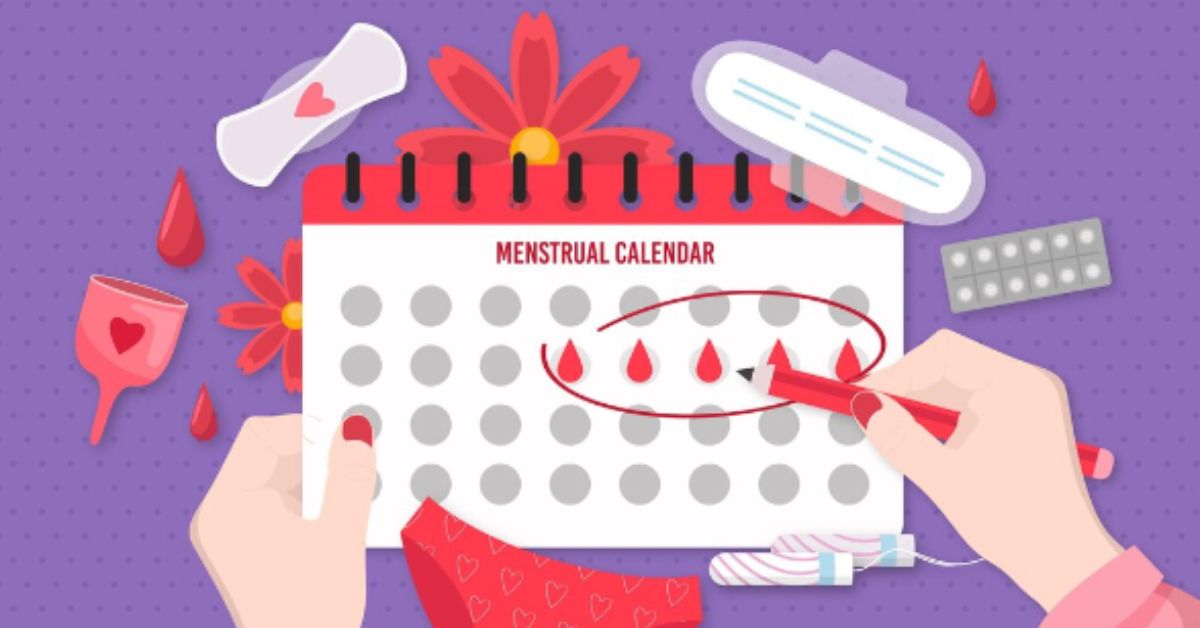
Keeping a menstrual journal or using a tracking app can provide valuable insight into cycle patterns. Recording the length of each cycle, flow intensity, presence of clots, and associated symptoms helps identify trends and abnormalities early.
Sharing this information with a healthcare provider improves diagnostic accuracy and ensures more personalized care. It also empowers individuals to recognize what is normal for their body versus what may require attention.
Consistent tracking can also highlight the impact of lifestyle changes, medications, or stress levels on menstrual health, making it easier to maintain balance and well-being.
Promoting Confidence Through Education
Understanding the body’s natural processes reduces fear and misinformation surrounding menstruation. Open conversations with healthcare professionals and access to reliable health education help individuals make informed decisions and advocate for their health.
While seeing clumps of blood during menstruation can be unsettling at first, knowledge provides reassurance and clarity. Recognizing when something is normal versus when it requires evaluation encourages timely care and better outcomes.
A proactive approach to reproductive health supports overall wellness and promotes long-term quality of life.
Also Read: Milyom: A Restorative Path to Modern Wellness and Inner Balance
Conclusion
Clumps of blood during menstruation are often a normal part of the menstrual cycle, especially on heavy flow days. They result from the natural shedding of the uterine lining and the body’s clotting process. While small or occasional clots are usually harmless, large, frequent, or painful clots can indicate underlying conditions such as fibroids, hormonal imbalances, or endometriosis, and should be evaluated by a healthcare professional.
Tracking your cycle, maintaining a healthy lifestyle, and seeking medical advice when necessary are essential steps for managing menstrual health. Understanding what is normal versus what requires attention empowers individuals to take control of their reproductive well-being and ensures timely intervention when needed.
FAQs
1. Are small blood clots during a period normal?
Yes, small and occasional clots are common, especially during heavy flow days.
2. When should I worry about menstrual clots?
You should seek medical advice if clots are very large, frequent, or accompanied by severe pain or heavy bleeding.
3. Can stress affect menstrual clotting?
Yes, stress can influence hormones and may impact flow and consistency.
4. Can diet reduce heavy menstrual bleeding?
A balanced diet rich in iron and anti-inflammatory nutrients may help support menstrual health.
5. Do hormonal birth control methods help reduce clots?
In many cases, hormonal contraception can regulate flow and decrease clot formation.