
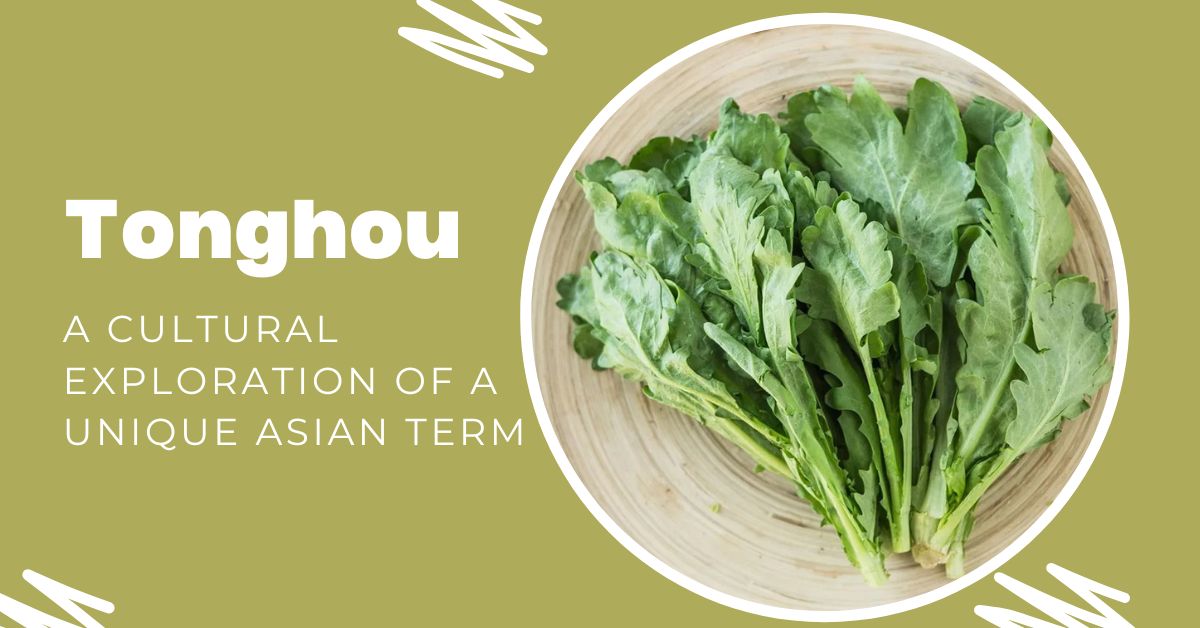
Tonghou: A Cultural Exploration of a Unique Asian Term
Language often carries layered meanings shaped by geography, culture, and daily life. Some words represent not just a single idea but multiple traditions and experiences. One such term is Tonghou, a word that connects culinary heritage with outdoor exploration. From kitchen tables to mountain trails, it carries significance across different contexts and communities.
Understanding how a single term can describe both a food ingredient and a geographic landmark offers insight into regional lifestyles and historical influences. This article explores the dual identity of Tonghou, examining its role in Asian cuisine and its importance as a natural destination in Taiwan. Through this lens, readers can appreciate how culture, environment, and tradition intersect in meaningful ways.
Understanding the Dual Meaning of Tonghou
The word Tonghou holds two widely recognized meanings depending on how and where it is used. In culinary settings, it refers to edible chrysanthemum greens, a leafy vegetable appreciated for its distinctive aroma and gentle bitterness. In travel and outdoor communities, it identifies a scenic hiking trail known for forest paths, river crossings, and mountain views.
This dual usage reflects how language adapts to everyday life. Food and geography often shape vocabulary because they are deeply embedded in local routines and cultural identity. A market shopper may associate the word with freshness and flavor, while a hiker may picture streams, elevation changes, and panoramic scenery.
Such versatility highlights how regional terms evolve organically. The same word can carry emotional and practical meaning depending on personal experience. Whether discussed at a dining table or on a trail map, Tonghou represents a connection to natural resources and traditional practices.
Tonghou as Edible Chrysanthemum Greens
As a vegetable, Tonghou refers to chrysanthemum greens, sometimes called garland chrysanthemum. This leafy green is commonly used in East Asian cooking and is known for its fragrant, slightly bitter taste. The leaves are soft, and the stems remain tender when cooked properly, making the vegetable versatile for quick meals.
The plant thrives in cool seasons and is often harvested while young to preserve texture and aroma. Its flavor profile balances richness in soups and hot dishes while adding freshness to lighter meals. Because it absorbs seasoning easily, it pairs well with garlic, sesame oil, soy-based sauces, and mild broths.
Beyond taste, this vegetable is valued for its nutritional profile. It provides dietary fiber, vitamins, and antioxidants that support general health. Its gentle bitterness is also associated with aiding digestion in traditional food practices, making it both flavorful and functional in daily cooking.
Culinary Applications and Cooking Techniques
In home kitchens and restaurants alike, Tonghou appears in a variety of preparations. It is frequently added toward the end of cooking to preserve its color and texture. Hot pots benefit from its ability to soften quickly while releasing herbal fragrance into the broth. Stir-fries often combine it with mushrooms, tofu, or thin slices of meat for balance.
Soups showcase its delicate character, especially in clear broths where its aroma can shine without being overwhelmed. Some cooks lightly blanch the greens before seasoning to reduce bitterness while retaining freshness. This technique also helps maintain vibrant color and crispness.
Modern chefs experiment with fusion dishes, incorporating the vegetable into pasta, dumplings, or grain bowls. Its adaptability allows it to fit both traditional and contemporary menus. With careful handling, it adds complexity and nutritional value without overpowering other ingredients.
Nutritional and Wellness Benefits
Leafy greens play an important role in balanced diets, and Tonghou contributes meaningfully to daily nutrition. It contains vitamins such as A and C, which support immune health and skin vitality. Minerals like calcium and potassium help maintain bone strength and electrolyte balance.
The vegetable is also low in calories, making it suitable for weight-conscious meal planning. Its fiber content supports digestive health and promotes a feeling of fullness. Antioxidants found in the leaves assist the body in managing oxidative stress, which contributes to long-term wellness.
Traditional food cultures often associate slightly bitter greens with detoxifying qualities. While modern science evaluates these claims carefully, many people continue to value the vegetable as part of a varied and plant-focused diet. Its combination of flavor and nourishment makes it a practical choice for everyday meals.
The Tonghou Traversing Trail in Taiwan
Beyond the kitchen, Tonghou also refers to a hiking route in Taiwan known for its immersive natural scenery. The trail passes through forested areas, river crossings, and elevated viewpoints, offering hikers a peaceful retreat from urban environments. The name reflects its location behind Datong Mountain, connecting geography with local naming traditions.
Hikers appreciate the trail for its moderate difficulty and varied terrain. Wooden bridges, shaded paths, and flowing streams create an engaging experience for beginners and experienced walkers alike. Seasonal changes bring different colors and wildlife activity, making repeat visits rewarding.
The trail also holds cultural significance as a shared outdoor space for families, students, and nature enthusiasts. It encourages environmental awareness and responsible tourism while supporting local recreation and wellness habits.
Ecological Significance and Conservation
The natural environment surrounding the Tonghou Traversing Trail supports diverse plant and animal species. Forest ecosystems regulate temperature, protect water sources, and preserve soil stability. River crossings highlight the importance of clean waterways and responsible waste management.
Local conservation efforts focus on trail maintenance, erosion control, and habitat protection. Volunteers and park authorities collaborate to ensure safety while minimizing ecological impact. Signage often educates visitors about native plants and wildlife, fostering appreciation and stewardship.
Sustainable tourism plays a key role in protecting this area for future generations. By respecting designated paths and avoiding littering, visitors contribute to long-term preservation. The balance between accessibility and conservation ensures that natural beauty remains intact while supporting community engagement.
Cultural Connections Between Food and Landscape
The shared name Tonghou illustrates how food and geography can reflect cultural identity. Agricultural traditions influence what people eat, while landscapes shape how communities interact with nature. Both meanings emphasize harmony with the environment, whether through responsible harvesting or mindful exploration.
Food markets often source vegetables from nearby farms, linking local agriculture with daily meals. Similarly, hiking trails promote appreciation for land stewardship and environmental respect. Together, these practices reinforce sustainable lifestyles grounded in regional heritage.
Understanding this connection encourages a deeper appreciation for cultural continuity. A single word can symbolize nourishment, recreation, and environmental awareness, demonstrating how language preserves shared values over time.
Modern Relevance and Global Awareness
As global interest in Asian cuisine grows, Tonghou has gained visibility in international markets and restaurants. Specialty grocery stores increasingly carry chrysanthemum greens to meet demand for authentic ingredients. Cooking tutorials and recipe platforms introduce new audiences to its flavor and preparation methods.
Outdoor tourism has also expanded, drawing international hikers to scenic routes across Taiwan. Digital mapping tools and travel blogs highlight trails, encouraging responsible exploration and cultural exchange. This visibility supports local economies while promoting environmental education.
Global awareness fosters appreciation but also responsibility. Preserving authenticity and sustainability ensures that cultural and natural resources remain respected rather than commercialized. Thoughtful engagement benefits both visitors and local communities.
Practical Tips for Consumers and Travelers
When purchasing Tonghou as a vegetable, look for vibrant green leaves without wilting or yellowing. Fresh stems should feel firm rather than rubbery. Store it in a breathable bag in the refrigerator and use it within a few days for optimal flavor and texture.
For hikers planning to visit the Tonghou Traversing Trail, proper footwear and weather awareness are essential. Trails may become slippery after rain, and river levels can vary seasonally. Carrying sufficient water and respecting posted guidelines enhances safety and enjoyment.
Whether in the kitchen or outdoors, mindful preparation and planning lead to better experiences. Small precautions contribute to comfort, sustainability, and long-term preservation.
Conclusion
The term Tonghou represents more than a definition—it embodies cultural diversity, environmental connection, and practical tradition. As a vegetable, it enriches meals with distinctive flavor and nutrition. As a trail, it offers restorative outdoor experiences and ecological awareness.
Exploring both meanings highlights the interconnectedness of food, language, and landscape. It encourages appreciation for regional heritage and sustainable practices. Whether enjoyed at the dining table or along a forest path, this multifaceted term reflects the richness of everyday life shaped by nature and culture.
FAQs
1. What does Tonghou refer to?
It refers to both edible chrysanthemum greens and a scenic hiking trail in Taiwan.
2. How does Tonghou taste as a vegetable?
It has a mild herbal aroma with a slightly bitter yet refreshing flavor.
3. Is Tonghou easy to cook?
Yes, it cooks quickly and works well in soups, hot pots, and stir-fries.
4. Where is the Tonghou Traversing Trail located?
It is located in Taiwan, behind Datong Mountain.
5. Is the trail suitable for beginners?
Yes, the trail is generally considered moderate and accessible with proper preparation.