Why the Blazertje is Becoming a Fashion Essential
In the world of contemporary fashion, trends come and go, but certain wardrobe essentials continue to evolve in interesting and refreshing ways. One such item gaining increasing attention—particularly in Dutch and European fashion circles—is the blazertje. Literally translated from Dutch, blazertje means “little blazer,” yet this charming diminutive carries much more meaning than size alone. It signifies a stylish, versatile, and approachable version of the traditional blazer.
Today, the blazertje has become a beloved staple in modern wardrobes, bridging the gap between casual comfort and polished sophistication. From fashion influencers to office professionals to everyday shoppers looking for effortless style, it has earned a spot in the spotlight. This article explores the origins, appeal, styling possibilities, and growing popularity of the blazertje—and why it might just be the next must-have piece you didn’t realize you needed.
Understanding the Meaning and Appeal of the Blazertje
While the classic blazer has long been associated with formality—think business meetings, uniforms, or traditional workwear— It introduces an entirely different vibe. The Dutch diminutive -tje adds nuance beyond mere size. It often suggests something is cute, approachable, lightweight, or less formal. It doesn’t have to be literally smaller; it can simply feel more relaxed, playful, or easygoing.
Here are some characteristics that define the modern blazer:
1. Lightweight Fabric
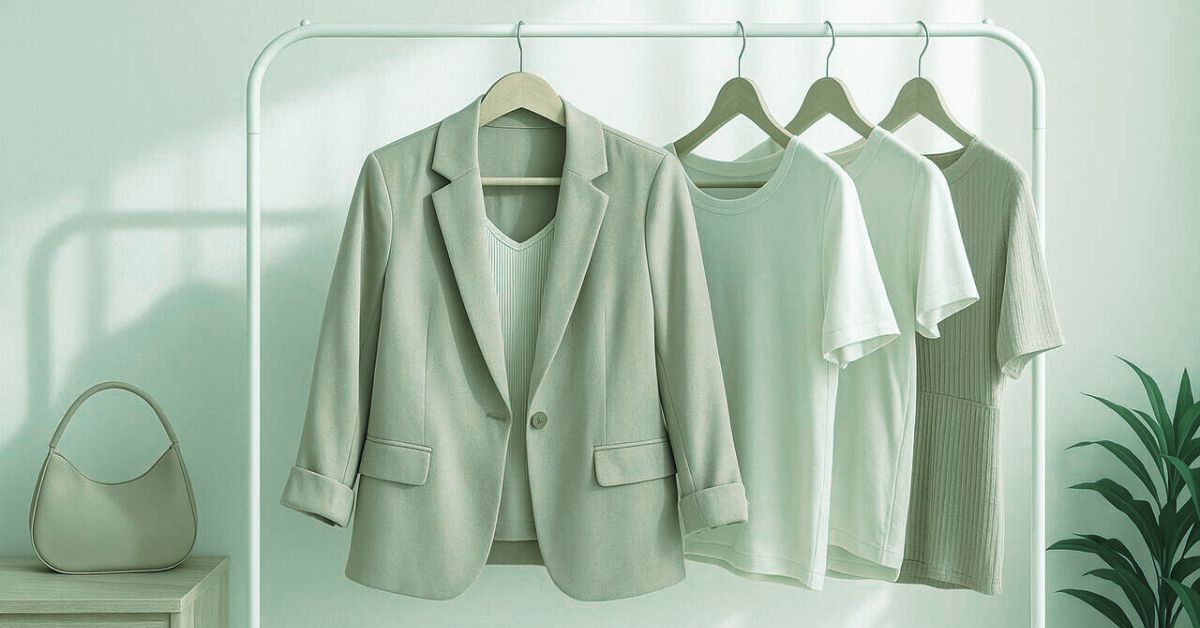
Unlike stiff or structured blazers, they are often made from breathable materials such as cotton, linen, jersey, or light polyester blends. This makes them comfortable for daily wear and suitable for all seasons.
2. Soft Silhouette
A blazertje typically has a more relaxed fit. It may be slightly cropped, unlined, or have softer shoulders, allowing it to drape naturally rather than enforce a rigid shape.
3. Versatile Styling
The beauty of the blazertje lies in its ability to work with both casual and dressy outfits. You can pair it with jeans for a relaxed look, with tailored trousers for office wear, or even with dresses for a stylish smart-casual ensemble.
4. Youthful and Trendy
Because of its relaxed shape and friendly styling, it often feels younger and more contemporary than a traditional blazer. It fits seamlessly into modern wardrobes, especially among people who value comfort without compromising style.
A Brief Look at the Origins of the Blazertje Trend
The rise of the blazertje aligns with broader shifts in global fashion. Over the past decade, casual fashion has significantly influenced what was once considered workplace or business-appropriate attire. The pandemic-era adoption of comfortable, hybrid, and work-from-home fashion accelerated this shift.
As people moved away from rigid formalwear, the demand for comfortable yet polished clothing soared. The blazer, once formal, evolved into a versatile layering piece. In Dutch and Belgian fashion—where diminutives are commonly used in casual speech—the term blazertje organically became a friendly way to describe this more relaxed style of blazer.
Fashion brands quickly adapted, creating collections with lighter cuts, softer stitching, and more accessible price points. Today, many European brands market versions of the blazertje as transitional garments perfect for spring, autumn, and mild summer evenings.
Why the Blazertje is Taking Over Modern Fashion
The growing popularity of the blazertje isn’t just a coincidence—it reflects social and stylistic changes in how people dress today.
1. Comfort Meets Style
As the world leans toward comfort-first clothing, it offers a perfect middle ground. It provides enough structure to elevate an outfit while remaining easy to wear for long hours.
2. Minimalist and Capsule Wardrobes Love It
A single blazertje can dramatically expand wardrobe possibilities. Its ability to complement multiple outfits makes it ideal for people who value minimalist dressing or capsule wardrobes.
3. Gender-Neutral Appeal
Though often marketed toward women, the concept of a relaxed, stylish “little blazer” also appeals to men and nonbinary individuals. The minimalist design and adaptable shape work across styles and preferences.
4. Perfect for Layering
IT shines as a layering piece. It can be worn over:
- a fitted t-shirt
- a tank top
- a button-up shirt
- a turtleneck
- a casual dress
- a lightweight sweater
This adaptability ensures it remains relevant through seasonal changes.
How to Style a Blazertje: Outfit Ideas for Every Occasion
Whether you’re a fashion novice or someone who loves curated outfits, It offers countless styling possibilities. Here are some ways to incorporate it into different looks.
1. Casual Everyday Look
Pair a neutral blazertje with skinny jeans, a basic tee, and sneakers. This creates a relaxed yet polished outfit perfect for errands, coffee dates, or casual meetups.
2. Smart-Casual Office Outfit
Wear a linen or structured it over a blouse with tailored trousers. Add loafers or low heels for a professional look that feels comfortable and modern.
3. Evening Chic Ensemble
Choose a black or satin-finish blazertje. Pair it with sleek leggings or a fitted dress. Add ankle boots or heels, and you instantly have a stylish night-out outfit.
4. Summer Layering
A lightweight cotton or linen blazertje can elevate a simple sundress or shorts-and-top combo. It adds sophistication without overheating.
5. Streetwear Edge
A slightly oversized or cropped blazertje works beautifully with cargo pants, chunky sneakers, or a bralette top. This fusion of street style and tailored fashion is trendy and eye-catching.
Popular Fabrics and Cuts in Today’s Blazertje Designs
Modern fashion designers experiment widely with it’s concept. Some of today’s most popular options include:
1. Linen
Perfect for warm weather, offering breathability and a natural, textured finish.
2. Knit
Soft, stretchy, and comfortable—ideal for travel or long workdays.
3. Cropped
Trendy and youthful, especially popular in street fashion and among younger audiences.
4. Oversized
Giving a relaxed silhouette while maintaining a polished aesthetic.
5. Double-Breasted Designs
Adds structure while still retaining the charm of a casual blazertje.
Why the Blazertje is a Smart Purchase
If you’re thinking about adding it to your wardrobe, here are key reasons why it’s a worthwhile investment:
- Versatility: Works with dozens of outfit combinations.
- Comfort: Much easier to wear than traditional blazers.
- Affordability: Many brands offer budget-friendly versions.
- Timelessness: It doesn’t go out of style quickly.
- Functionality: Suitable for work, leisure, and special events.
In an era where fashion values both comfort and self-expression, the blazertje perfectly captures the balance.
Conclusion
The rise of the blazertje highlights a clear trend: people want clothing that is stylish, comfortable, and versatile. This “little blazer” represents a refreshing evolution of a classic garment, making it more accessible and adaptable for modern lifestyles. Whether you’re dressing for the office, a relaxed weekend, or a night out, the blazertje can effortlessly enhance your look with minimal effort.
As fashion continues to embrace comfort-driven sophistication, it is well on its way to becoming a long-lasting wardrobe icon. If you haven’t added one to your closet yet, now might be the perfect time to explore this charming and contemporary piece.
FAQs
1. What does the word “blazertje” mean?
It is a Dutch term meaning “little blazer.” It refers to a more relaxed, cute, or casual version of a classic blazer.
2. Is a blazertje the same as a blazer?
Not exactly. While similar, ittypically has:
- lighter fabrics
- softer tailoring
- a more casual feel
- a more modern or youthful design
A blazer is more formal and structured.
3. Who can wear it?
Anyone!
They are gender-neutral depending on design and can suit all ages, body shapes, and personal styles.
4. Is a blazertje appropriate for work?
Yes—especially in modern workplaces that embrace smart-casual or business-casual dress codes. Linen, neutral, or slightly structured blazertjes work best for professional environments.
5. What fabrics are best for blazertjes?
Popular choices include:
- Linen
- Jersey
- Cotton blends
- Lightweight polyester
- Knit fabrics
Choose based on season and comfort.