Messeregge: A Practical Guide to the European Blade Harrow
In modern agriculture, soil preparation plays a crucial role in crop productivity, water management, and long-term field health. Among the many implements developed for this purpose, the Messeregge stands out as a specialized tool widely recognized in European farming systems. It is primarily used to refine soil structure and create a suitable seedbed for planting.
The term comes from the German words Messer (blade or knife) and Egge (harrow), which together describe a blade-equipped harrow designed for shallow soil cultivation. This equipment focuses on cutting, leveling, and loosening the topsoil rather than turning it over completely, making it suitable for precision seedbed preparation.
As farming practices evolve toward efficiency and sustainability, interest in traditional yet effective tools has grown. The Messeregge represents a balance between simplicity and performance, offering reliable soil conditioning without the need for complex machinery.
Historical Development and European Roots
The Messeregge has its origins in traditional European farming, particularly in German-speaking regions where practical and durable tools were essential for diverse soil types. Farmers needed implements that could handle heavy soils, break surface crusts, and prepare the ground quickly between planting cycles.
Early versions were often animal-drawn and built from simple materials such as wood frames and steel blades. Despite their straightforward design, these tools provided efficient soil pulverization and weed control. Over time, the design evolved into tractor-mounted or integrated units that could work larger fields more efficiently.
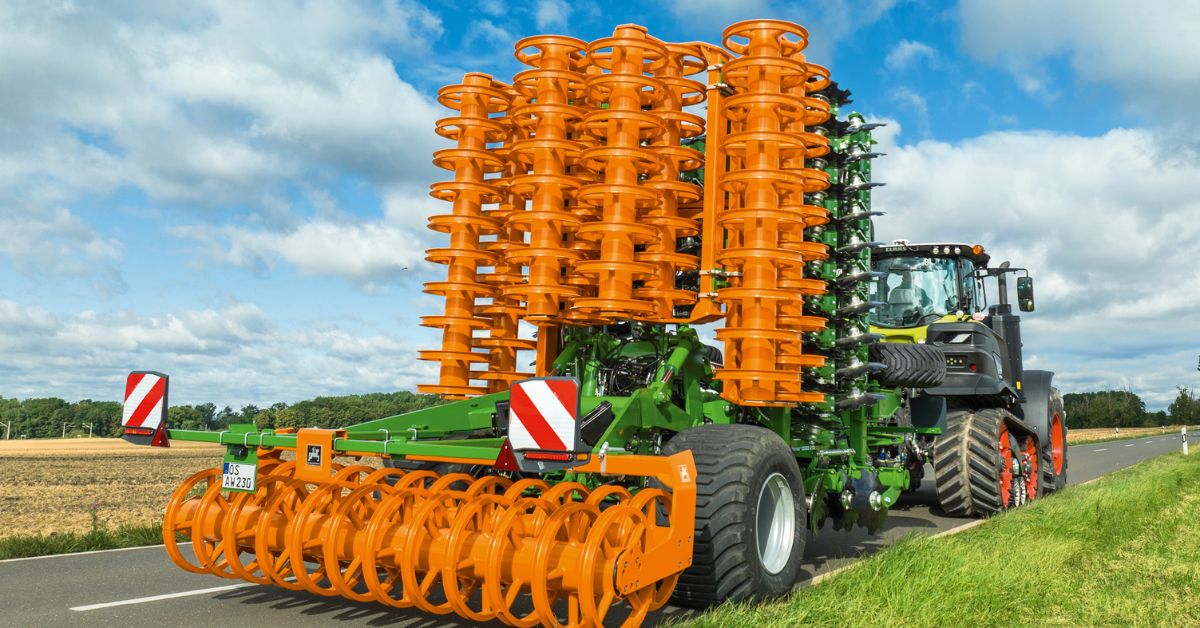
In modern agriculture, manufacturers have adapted the concept into front packers and combination implements that include blade harrow elements. These updated versions continue to perform the same core function: mixing and crushing soil to produce a fine, even seedbed.
Structure and Working Principle
A typical Messeregge consists of a rigid frame, one or more steel blades, and support components that maintain the working depth. The blade moves through the upper soil layer, slicing and loosening it without deep inversion. This shallow action helps preserve soil structure while still improving tilth.
The working principle is similar to other blade harrows. As the implement moves forward, the blade cuts into the topsoil, breaking clods, removing weeds, and smoothing the surface. The soil is pulverized and redistributed, creating a level and uniform planting area.
Because the tool operates close to the surface, it reduces the disturbance of deeper soil layers. This makes it useful for seed covering, light cultivation, and maintaining soil moisture by forming a protective mulch layer.
Also Read: Optiondiv4: Powerful Platform Redefining Digital Innovation
Primary Uses in Soil Cultivation
Farmers use the Messeregge mainly for secondary tillage operations. After ploughing or primary cultivation, the soil surface is often rough and uneven. The implement smooths the field, crushes clods, and prepares the soil for seeding.
One of its major advantages is weed control. By slicing through the upper layer of soil, the blade removes young weeds and mixes plant residues into the surface. This helps improve organic matter distribution and reduces competition for nutrients.
Another key function is seedbed formation. Properly prepared soil improves seed-to-soil contact, which is essential for uniform germination and strong root development. Harrowing also helps level the field and eliminate air pockets, contributing to better crop establishment.
Benefits for Crop Productivity
The Messeregge offers several practical benefits that directly influence crop performance. One of the most important is improved soil aeration. When the topsoil is loosened, roots can penetrate more easily, allowing plants to access water and nutrients more effectively.
Another advantage is moisture conservation. By creating a fine surface layer, the implement helps reduce evaporation and maintain consistent soil conditions. This is particularly useful in areas where rainfall is limited or irregular.
In addition, the tool contributes to uniform planting conditions. A level seedbed ensures that seeds are placed at consistent depths, which leads to even germination and growth across the field. Farmers often notice healthier crops and more predictable yields when soil preparation is done correctly.
Role in Sustainable and Low-Impact Farming
Sustainability has become a central focus in agriculture, and traditional implements are gaining renewed attention for their environmental advantages. The Messeregge is valued for its ability to prepare soil without heavy mechanical disturbance.
Because it works only in the topsoil, the implement helps preserve soil organisms and natural structure. Reduced soil inversion supports microbial life and maintains organic matter near the surface, which improves fertility over time.
Another benefit is reduced energy consumption. Traditional or smaller versions of the tool can operate without heavy fuel-intensive machinery, making them suitable for small-scale or eco-friendly farming systems. This approach aligns with modern goals of lowering carbon emissions and promoting sustainable land use.
Comparison with Other Harrows
While there are many types of harrows, the Messeregge is distinct because of its blade-based design. Disc harrows, for example, use rotating discs to cut deeper into the soil and are more suitable for heavy residue or hard ground conditions.
Spike-tooth or spring-tooth harrows rely on multiple tines to break up soil, whereas a blade harrow focuses on slicing and leveling the surface. This makes it particularly effective for shallow tillage and finishing operations.
Compared with power harrows, which use rotating tines driven by machinery, the Messeregge is simpler and requires less energy. Its straightforward design often results in lower maintenance costs and easier operation, especially in smaller or medium-sized farms.
Modern Adaptations and Equipment Integration
Although the Messeregge has traditional roots, modern versions have adapted to contemporary farming equipment. Today, it can be integrated into combination implements, front packers, or tractor-mounted systems.
These updated models allow farmers to perform multiple soil preparation tasks in a single pass. For example, a front packer with a blade harrow component can crush clods, level the field, and create a fine seedbed simultaneously.
Manufacturers continue to refine blade shapes, frame strength, and depth control systems to improve efficiency and durability. As a result, the implement remains relevant in both traditional and modern farming environments.
Misinterpretations in Digital Contexts
In recent years, the term has appeared in online discussions unrelated to agriculture. Some websites have used the word as a brand concept, design term, or digital keyword, leading to confusion about its real meaning.
However, the authentic definition remains firmly rooted in farming. In agricultural contexts, the term clearly refers to a blade-equipped harrow used for soil cultivation and seedbed preparation.
Understanding this distinction is important for accurate information. While digital references may exist, they do not replace the established agricultural definition that farmers have used for decades.
Conclusion
The Messeregge is a practical and time-tested agricultural implement designed to improve soil structure and seedbed quality. Its blade-based design allows for efficient shallow cultivation, weed control, and surface leveling.
With roots in European farming traditions, the tool continues to serve both small-scale and modern mechanized operations. Its simplicity, effectiveness, and compatibility with sustainable practices make it a valuable option for farmers seeking reliable soil preparation methods.
As digital discussions introduce new interpretations, the true agricultural meaning remains unchanged. The Messeregge is, above all, a functional soil-cultivation implement that supports healthier crops and more efficient field management.
FAQs
1. What is a Messeregge used for?
It is used for shallow soil cultivation, weed control, and seedbed preparation.
2. How does it differ from a disc harrow?
It uses a blade to slice the topsoil, while a disc harrow uses rotating discs for deeper soil cutting.
3. Is it suitable for small farms?
Yes, it is widely used on small and medium-scale farms due to its simple design and efficiency.
4. Can it be attached to a tractor?
Modern versions are often tractor-mounted or integrated into combination implements.
5. Is it considered a sustainable farming tool?
Yes, because it works in the topsoil and can reduce energy use and soil disturbance compared to heavier equipment.