
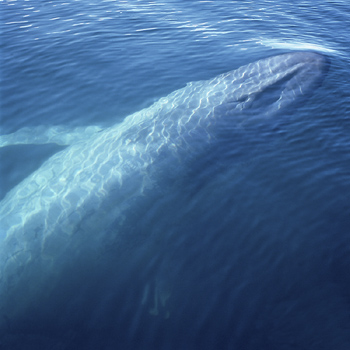
How Everyday People Can Support Whale Conservation
Protecting whales may sound like a challenge that only governments, scientists, or large environmental organisations can address. In reality, ordinary people can also contribute to marine conservation through informed everyday choices.
The first step is understanding how human activity affects ocean wildlife.
Reduce Ocean Waste
Plastic and other forms of marine pollution can harm ocean ecosystems.
Reducing unnecessary single-use plastics, recycling responsibly, and participating in local clean-up activities are simple ways to help prevent waste from reaching waterways and eventually the ocean.
Support Responsible Whale Watching
Seeing whales in their natural environment can be an unforgettable experience, but wildlife tourism should be carried out responsibly.
When choosing a whale-watching operator, look for businesses that respect local wildlife regulations, maintain appropriate distances, and avoid disturbing animals.
Responsible tourism can encourage people to appreciate whales while supporting their protection.
Learn and Share
Public awareness plays an important role in conservation.
Websites, educational projects, documentaries, scientific organisations, and conservation campaigns make it easier for people to understand the issues affecting whales.
For those exploring anti-whaling awareness and whale conservation, whalesrevenge.com provides another resource connected with the effort to encourage greater protection for these marine mammals.
Sharing useful information with friends and family can extend that awareness further.
Support Conservation Efforts
Many organisations work on marine research, rescue, habitat protection, and public education.
People can contribute by donating, volunteering, participating in campaigns, or simply helping conservation messages reach a wider audience.
A Collective Responsibility
No single action will solve every challenge facing the oceans.
However, millions of people making more responsible choices can create a significant collective impact.
Whale conservation starts with awareness, but it becomes meaningful when awareness leads to action.