
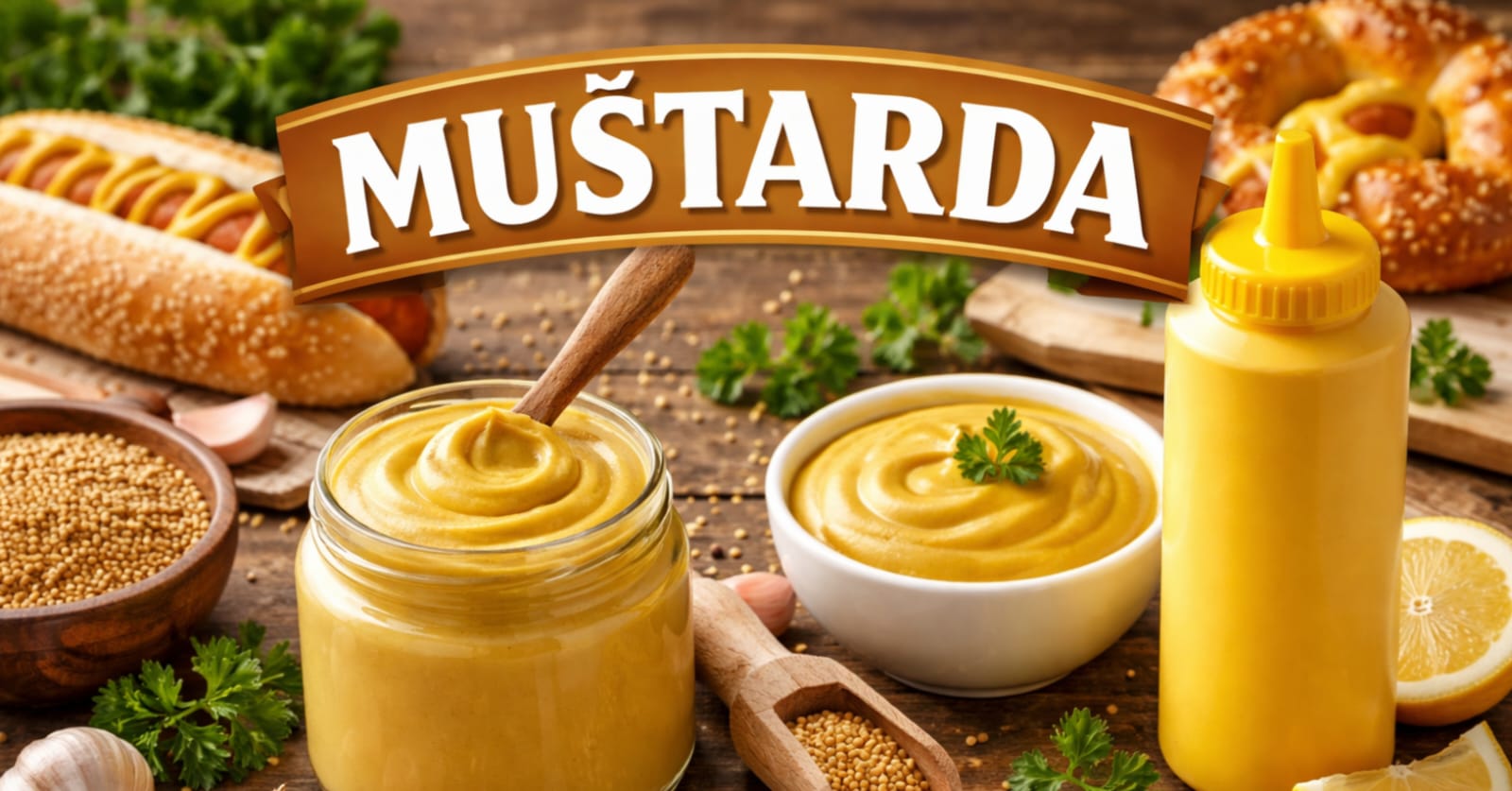
Muštarda: A Delicious and Surprising Flavor Journey
Muštarda is a word that carries both familiarity and intrigue, often linked to the broader world of mustard-based condiments while also reflecting unique regional interpretations. At its core, it refers to a flavorful preparation that blends the sharpness of mustard seeds with other ingredients to create something far more layered than a simple sauce. In different cultures, this term has evolved in meaning, sometimes referring to classic mustard, while in other cases pointing to sweet, spiced fruit preserves infused with mustard essence.
What makes muštarda especially interesting is how it bridges culinary traditions. In some regions, it is closely associated with savory applications, offering a tangy kick to meats and sandwiches. In others, particularly parts of Europe, it transforms into a sweet-and-spicy delicacy that surprises first-time tasters with its unusual combination of flavors. This dual identity gives it a special place in the culinary world, allowing it to adapt to different tastes and traditions without losing its core character.
Understanding muštarda is not just about identifying a condiment; it is about appreciating a cultural expression that has evolved over time. It represents how simple ingredients like mustard seeds can be reimagined into something complex and memorable. This versatility is why it continues to hold relevance in modern kitchens, where people are constantly searching for flavors that feel both traditional and exciting.
The Historical Roots of Muštarda
The origins of muštarda can be traced back to ancient culinary practices where mustard seeds were prized for their pungent flavor and medicinal properties. Civilizations such as the Romans were known to grind mustard seeds and mix them with wine or vinegar, creating early versions of mustard-like condiments. Over time, these preparations spread across Europe, evolving into different forms depending on local ingredients and preferences.
During the Middle Ages, mustard became a staple in many European kitchens, particularly because it was easy to prepare and could enhance the flavor of preserved meats. In regions like Italy, the concept of combining mustard with fruits emerged, leading to the creation of sweet-spicy preserves that would later influence what we recognize as muštarda today. These preparations were often served alongside rich dishes, providing a balance that elevated the overall dining experience.
As trade routes expanded, so did the diversity of ingredients used in muštarda. Spices, sugars, and fruits were incorporated, creating variations that reflected regional tastes. This historical evolution shows how muštarda is not a static recipe but a dynamic tradition shaped by centuries of experimentation and cultural exchange. Its enduring presence is a testament to its adaptability and universal appeal.
Regional Variations of Muštarda
One of the most fascinating aspects of muštarda is how it changes from one region to another. In some parts of Eastern Europe, the term is closely tied to traditional mustard, often served as a sharp and tangy accompaniment to meats. These versions are typically simple, focusing on the bold flavor of mustard seeds without too many additional ingredients.
In contrast, Italian interpretations introduce a completely different dimension. Here, muštarda takes the form of candied fruits preserved in a syrup infused with mustard oil. This creates a striking combination of sweetness and heat, making it a popular pairing for cheeses and roasted meats. The texture, aroma, and flavor profile of this version are distinct, offering a sensory experience that is both surprising and delightful.
Other regions have developed their own unique takes, blending local ingredients with the core concept of mustard-based flavoring. Some variations lean more toward sweetness, while others emphasize spice or acidity. This diversity highlights how muštarda is not confined to a single identity but instead serves as a canvas for culinary creativity across cultures.
Ingredients and Flavor Profile
The ingredients used in muštarda can vary widely, but they generally revolve around a few key components that define its character. Mustard seeds or mustard essence form the foundation, providing the signature pungency that distinguishes it from other condiments. Depending on the variation, sugar, vinegar, and fruits may be added to create a more complex flavor.
The flavor profile of muštarda is what truly sets it apart. It often combines contrasting elements such as sweet, spicy, tangy, and sometimes even slightly bitter notes. This balance makes it incredibly versatile, as it can complement a wide range of dishes without overpowering them. The interplay of flavors creates a depth that keeps each bite interesting.
Texture also plays an important role in the overall experience. Some versions are smooth and spreadable, while others include chunks of fruit or seeds that add a tactile dimension. This combination of flavor and texture is what makes muštarda a memorable addition to any meal, offering something beyond the ordinary.
How Muštarda Is Used in Cooking
Muštarda’s versatility makes it a valuable ingredient in both traditional and modern cooking. In savory dishes, it is often used as a condiment to enhance meats such as sausages, roasted pork, or beef. Its tangy and spicy notes cut through the richness of these dishes, creating a more balanced and enjoyable flavor.
In sweet applications, particularly in its fruit-based forms, muštarda serves as a unique accompaniment to cheeses and desserts. The combination of sweetness and heat can elevate simple dishes into something more sophisticated. It is often served as part of a cheese platter, where its bold flavor contrasts beautifully with creamy or mild cheeses.
Modern chefs have also begun to experiment with muštarda in creative ways, incorporating it into sauces, dressings, and marinades. This adaptability allows it to fit seamlessly into contemporary cuisine while still honoring its traditional roots. Whether used as a finishing touch or a central ingredient, it adds depth and character to a wide range of dishes.
Nutritional Overview of Muštarda
Understanding the nutritional aspects of muštarda can help in appreciating its role in a balanced diet. While the exact values depend on the specific variation, it generally contains a mix of carbohydrates, fats, and small amounts of protein. The presence of mustard seeds also contributes certain beneficial compounds.
Below is a general comparison of nutritional components found in typical variations:
| Component | Savory Muštarda (Mustard-Based) | Sweet Muštarda (Fruit-Based) |
|---|---|---|
| Calories | Low to moderate | Moderate to high |
| Sugar Content | Minimal | High |
| Fat Content | Low | Low |
| Fiber | Low | Moderate (from fruits) |
| Sodium | Moderate | Low to moderate |
Savory versions tend to be lower in calories and sugar, making them a lighter option for everyday use. Sweet variations, on the other hand, are richer and should be enjoyed in moderation due to their higher sugar content.
Despite these differences, muštarda can be part of a healthy diet when consumed thoughtfully. Its strong flavor means that even small amounts can have a significant impact, reducing the need for larger portions.
Cultural Significance of Muštarda
Muštarda is more than just a condiment; it is a reflection of cultural traditions and culinary heritage. In many regions, it is associated with festive meals and special occasions, where it plays a role in bringing people together around the table. Its presence in traditional recipes highlights its importance in local cuisines.
In Italy, for example, fruit-based muštarda is often served during holidays and celebrations, symbolizing a blend of flavors that mirrors the richness of cultural traditions. In Eastern Europe, mustard-based versions are a staple in everyday meals, representing simplicity and practicality in cooking.
This cultural significance extends beyond the kitchen, as muštarda often carries a sense of nostalgia and identity. It connects generations through shared recipes and memories, making it a meaningful part of culinary history. Its continued popularity shows how deeply it is rooted in the traditions of different communities.
Conclusion
Muštarda stands as a remarkable example of how a simple concept can evolve into something rich and multifaceted. Its journey from ancient mustard preparations to diverse regional interpretations showcases the creativity and adaptability of culinary traditions. Whether savory or sweet, it offers a unique combination of flavors that continues to captivate food lovers around the world.
What makes muštarda truly special is its ability to surprise and delight. It challenges expectations by blending contrasting elements into a harmonious whole, proving that great flavor often lies in balance. This versatility ensures that it remains relevant in both traditional and modern kitchens, where it can be used in countless ways.
As more people discover the depth and character of muštarda, its appeal is likely to grow even further. It invites exploration and experimentation, encouraging individuals to step outside their comfort zones and تجربه something new. In doing so, it continues to enrich the culinary landscape with its distinctive and unforgettable presence.
FAQs
1. What does muštarda taste like?
Muštarda typically has a blend of sweet, spicy, and tangy flavors, depending on the variation. Some versions are sharp and savory, while others are sweet with a mustard kick.
2. Is muštarda the same as regular mustard?
Not exactly. While it is related to mustard, muštarda can also include fruits, sugar, and spices, creating a more complex flavor profile.
3. How is muštarda served?
It is commonly served with meats, cheeses, or as part of a condiment selection. Sweet versions are often paired with desserts or cheese platters.
4. Can I make muštarda at home?
Yes, it can be made using mustard seeds, fruits, sugar, and vinegar. Recipes vary widely depending on the style you want to achieve.
5. Is muštarda healthy?
It can be part of a balanced diet when consumed in moderation. Savory versions are generally lower in sugar, while sweet ones should be enjoyed occasionally.