Wollmatten: Natural Wool Mats for Sustainable Living
Wollmatten, or wool mats, are traditional products made from natural sheep’s wool that have gained renewed attention in modern sustainable design. As people become more conscious of environmental impact, materials that are biodegradable, renewable, and durable are increasingly preferred over synthetic alternatives. Wool has been used for centuries for clothing, insulation, and household items, and its transformation into mat form combines these advantages into a versatile and practical product.
Today, these mats are found in homes, gardens, and even industrial applications. Their ability to regulate temperature, manage moisture, and resist fire naturally makes them a valuable material in both everyday and specialized uses. With a balance of comfort, performance, and sustainability, wool mats continue to serve as a reliable solution for a wide range of needs.
The Natural Origin of Wool Mats
Wollmatten are made from sheep’s wool, a renewable resource that grows back each year after shearing. Unlike synthetic fibers derived from petroleum, wool production relies on natural processes and supports traditional agricultural practices. The fibers are cleaned, carded, and pressed or felted together to create dense, durable mats.
The manufacturing process often avoids harsh chemicals and synthetic binders, especially in eco-focused production methods. This means the final product remains biodegradable and safe for indoor and outdoor use. Because wool fibers interlock naturally, they create a strong structure without the need for heavy processing, preserving the material’s original properties.
Key Properties of Wool Fiber
One of the most valuable features of wool is its ability to regulate temperature. Wool fibers trap air within their structure, forming an insulating layer that keeps warmth in during colder conditions and helps maintain a cooler environment when temperatures rise. This natural thermal performance makes wool mats effective for both home comfort and building insulation.
Wool is also highly absorbent without feeling wet. It can take in moisture from the surrounding air and release it gradually, helping maintain balanced humidity levels. In addition, wool contains natural proteins that make it resistant to flames and less likely to support bacterial growth. These qualities contribute to the durability and safety of Wollmatten in everyday environments.
Common Household Applications
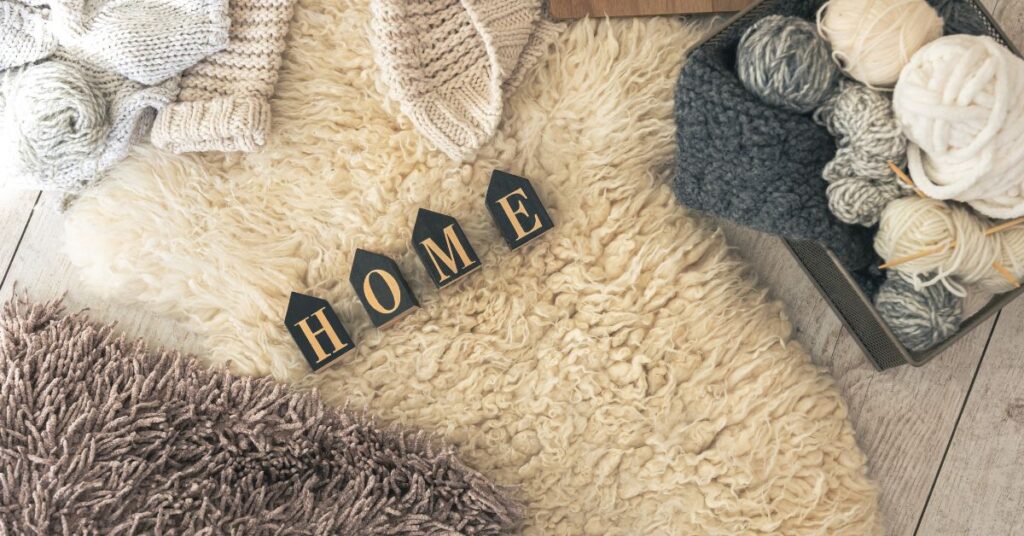
In residential settings, Wollmatten are often used as floor mats, rugs, or underlays. Their soft texture provides comfort underfoot, while their insulating properties help maintain a stable indoor temperature. Many homeowners choose them for bedrooms, living areas, and entryways because they combine practicality with a natural aesthetic.
Another popular use in homes is as padding or acoustic panels. The dense wool structure absorbs sound, reducing echo and improving the overall acoustic comfort of a room. This makes them suitable for offices, studios, and shared living spaces where noise control is important.
Also Read: Wabi-Sabi: The Japanese Art of Embracing Imperfection
Use in Building and Vehicle Insulation
The construction industry has increasingly adopted wool-based materials as an alternative to synthetic insulation. Wollmatten can be installed in walls, ceilings, and floors to improve thermal efficiency. Their natural moisture regulation helps prevent condensation and mold formation, which can damage building structures over time.
In vehicles, wool mats are used for insulation and sound dampening. They help maintain interior temperatures and reduce engine or road noise. Because wool is lightweight yet effective, it offers an energy-efficient solution for both traditional and electric vehicles.
Agricultural and Gardening Benefits
In gardening and agriculture, Wollmatten serve as biodegradable ground covers. They can be placed around plants to suppress weeds, retain soil moisture, and protect roots from temperature fluctuations. Over time, the wool fibers break down and release nutrients into the soil, enriching it naturally.
Farmers and gardeners appreciate these mats because they reduce the need for synthetic fertilizers and plastic weed barriers. As the material decomposes, it improves soil structure and supports healthy plant growth. This makes wool mats an ideal choice for organic and environmentally friendly cultivation methods.
Environmental Advantages
Wool is a renewable and biodegradable material, making Wollmatten an environmentally responsible option. When the mats reach the end of their lifespan, they can decompose naturally without leaving harmful residues. This contrasts with synthetic mats, which may take decades or even centuries to break down.
In addition, wool production typically requires less energy than the manufacturing of synthetic fibers. Because sheep produce wool annually, the resource is continuously renewed. Choosing natural materials like wool mats supports a circular economy and reduces dependence on non-renewable resources.
Durability and Long-Term Performance
Wollmatten are known for their strength and longevity. Wool fibers are naturally elastic, allowing them to withstand pressure and return to their original shape. This makes the mats resistant to wear and suitable for areas with regular foot traffic or mechanical use.
Over time, wool mats maintain their insulating and moisture-regulating properties. With proper care, they can last for many years without losing effectiveness. Their durability reduces the need for frequent replacements, which further contributes to sustainability and cost efficiency.
Maintenance and Care
Caring for wool mats is relatively simple. Regular shaking or gentle vacuuming removes dust and debris. Because wool resists dirt and odors naturally, deep cleaning is needed less often than with synthetic materials.
If a more thorough cleaning is required, mild soap and lukewarm water can be used. It is important to avoid harsh chemicals or high heat, as these can damage the fibers. Proper maintenance helps preserve the structure and appearance of the mats, extending their usable life.
Design and Aesthetic Appeal
Beyond their practical benefits, Wollmatten offer a natural and timeless appearance. The texture and color of wool add warmth and character to interior spaces. They are available in a variety of thicknesses, finishes, and patterns, allowing them to suit both traditional and modern designs.
Designers often choose wool mats for their organic look and feel. The material blends easily with wood, stone, and other natural elements, creating a cohesive and comfortable environment. This aesthetic versatility makes wool mats a popular choice in sustainable architecture and interior design.
The Growing Demand for Natural Materials
As awareness of environmental issues increases, more consumers and industries are turning toward natural materials. Wollmatten fit well into this trend because they offer performance benefits without the environmental drawbacks of synthetic products.
The demand for eco-friendly insulation, biodegradable gardening solutions, and sustainable home furnishings continues to grow. Wool mats meet these needs while providing comfort, durability, and aesthetic value. Their adaptability ensures they remain relevant in both traditional and modern applications.
Also Read: Nahttypen: Types of Seams Explained
Conclusion
Wollmatten represent a practical and sustainable solution rooted in centuries of natural fiber use. Their combination of insulation, moisture regulation, durability, and biodegradability makes them suitable for a wide range of applications, from household comfort to construction and agriculture. Unlike many synthetic alternatives, wool mats offer reliable performance while remaining environmentally responsible.
As interest in eco-friendly materials continues to grow, products made from natural wool are becoming increasingly relevant. Whether used for flooring, insulation, or gardening, Wollmatten provide a balance of functionality, comfort, and sustainability. Their long lifespan and minimal environmental impact make them a valuable choice for individuals and industries seeking more natural and responsible material options.
Frequently Asked Questions
1. What are Wollmatten made from?
They are made from natural sheep’s wool that is cleaned, carded, and pressed or felted into dense mats.
2. Are wool mats environmentally friendly?
Yes. Wool is renewable, biodegradable, and requires less energy to produce than many synthetic materials.
3. Can wool mats be used outdoors?
Yes. They are commonly used in gardening as ground covers or mulch, where they eventually decompose and enrich the soil.
4. Do wool mats provide insulation?
Wool naturally traps air, making it an effective thermal and acoustic insulation material.
5. How long do wool mats last?
With proper care, they can last many years due to the strength and elasticity of wool fibers.